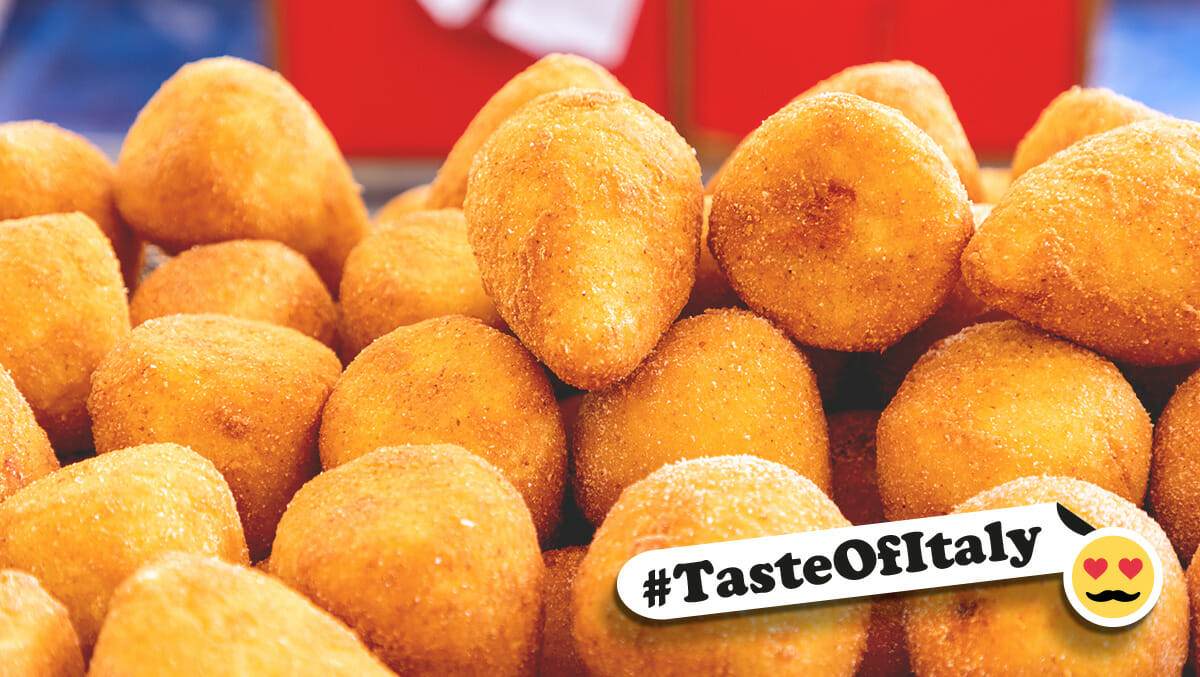
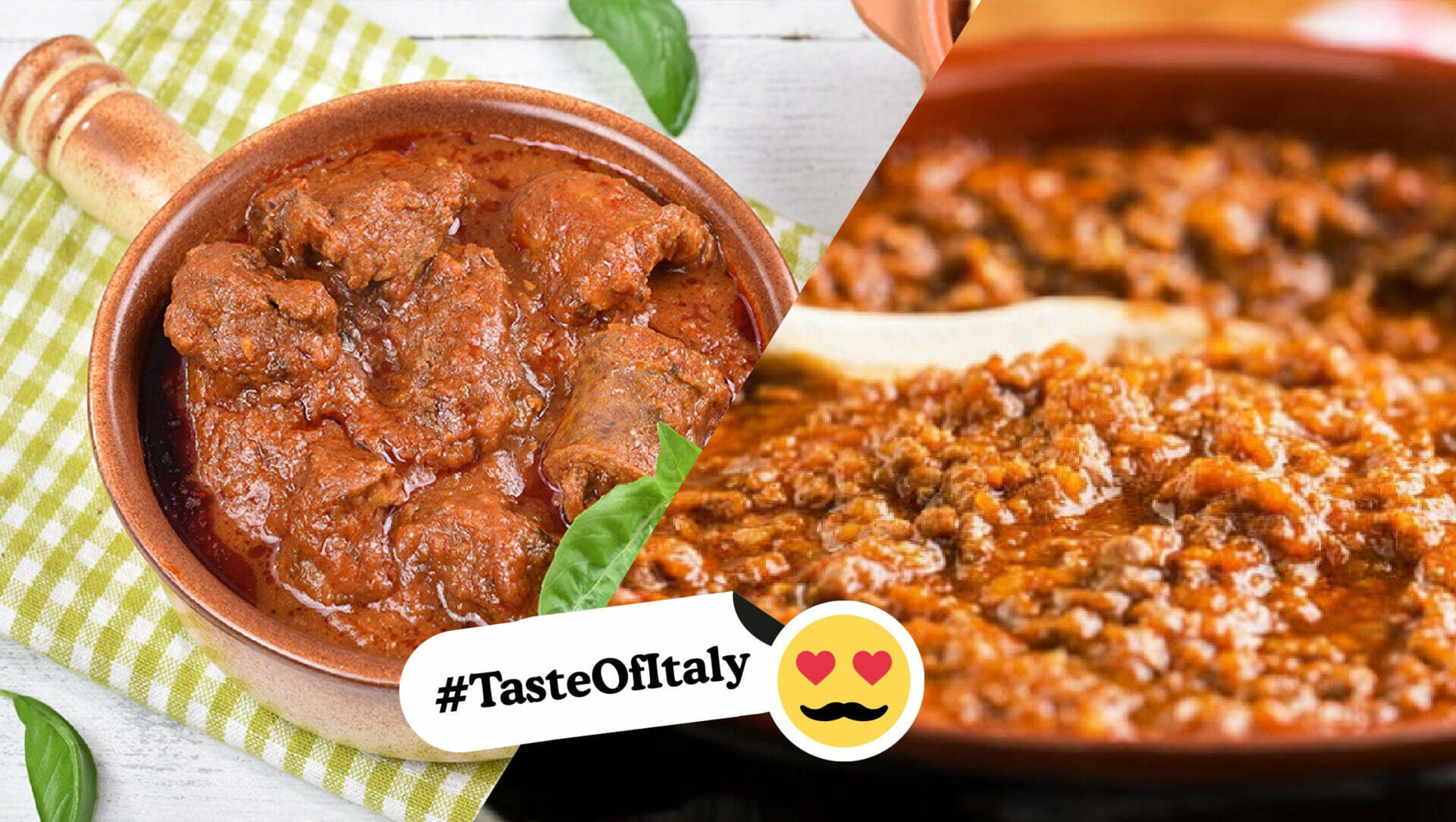
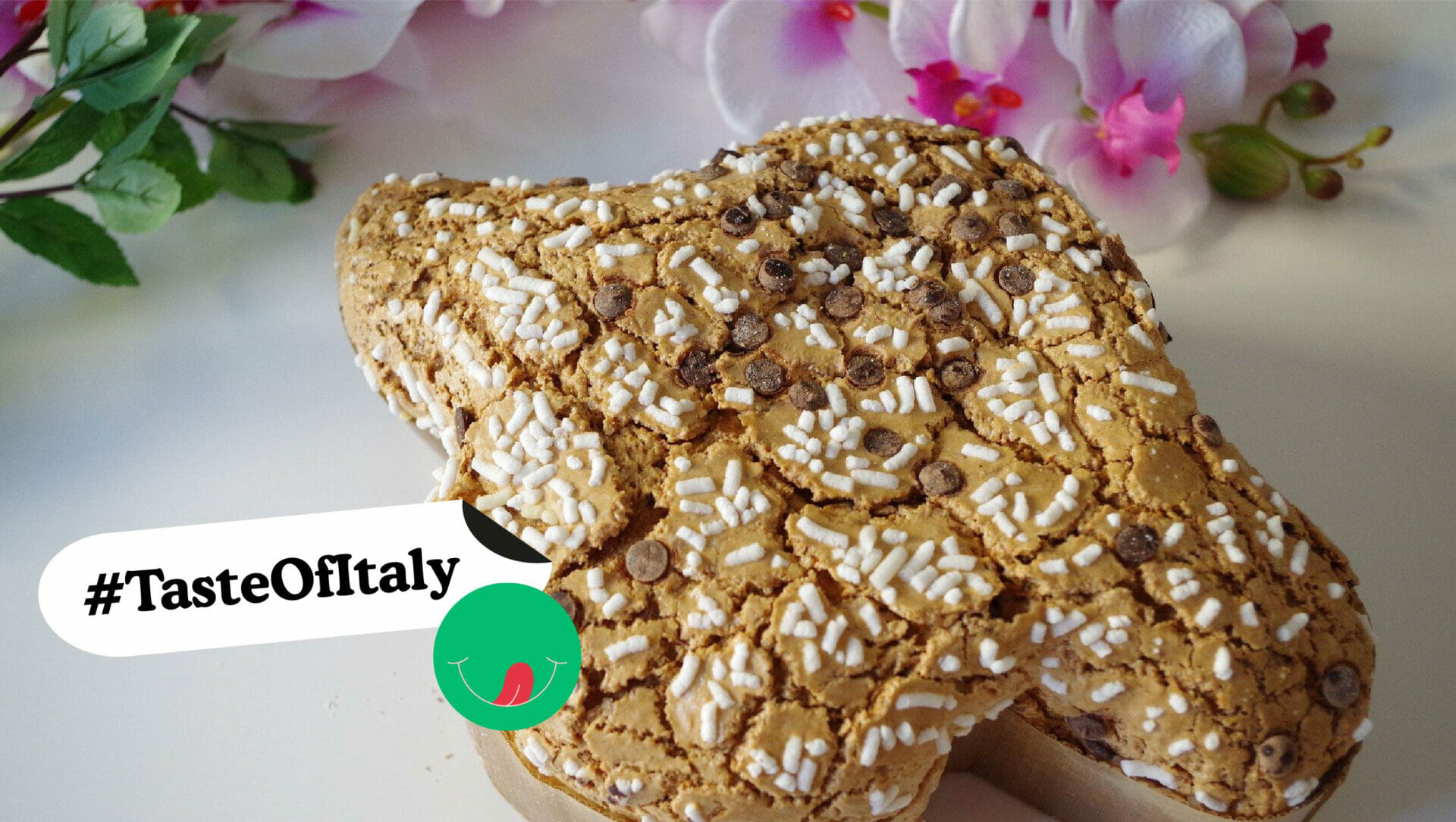
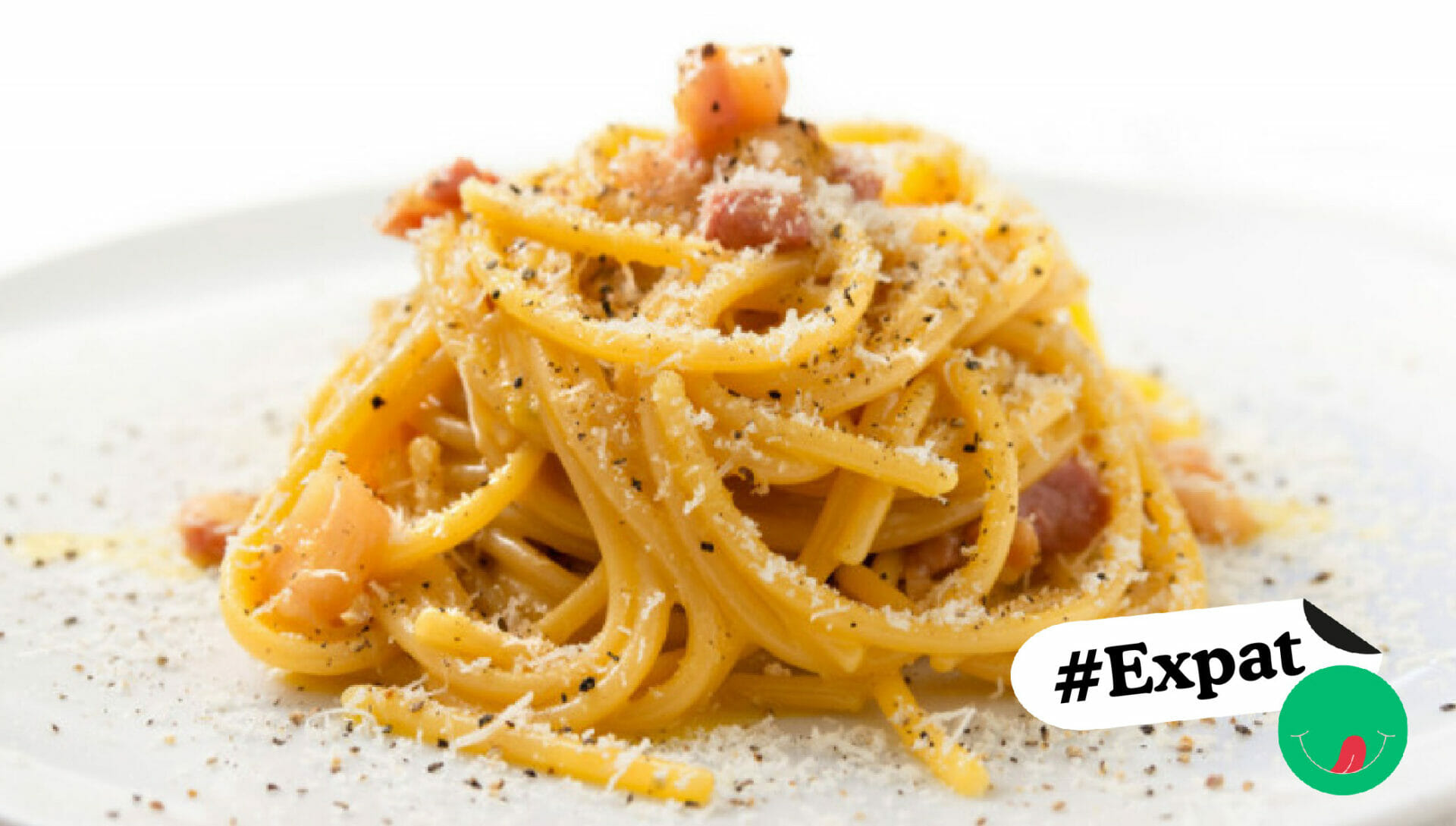
Polenta is a typical autumn and winter dish of northern Italy. Its origins are linked to mountain villages as an ancient, poor but delicious recipe.
Taste of Italy
-
Panettone or Pandoro – the differencesRead morePanettone oder Pandoro? Das ist die beliebteste Frage in Italien ab November. Denn der Winter beginnt und die Weihnachtsliebhaber beginnen schon vorher mit dem Verzehr der typischen Süßigkeiten. Beide Produkte sind in ganz Europa und sogar in Amerika sehr beliebt. Tatsächlich importieren die Vereinigten Staaten die meisten Süßigkeiten aus Italien, und Panettone ist der am häufigsten exportierte und konsumierte Kuchen.
-
Homely Panettone - an easy recipe for everyoneRead moreIl panettone rappresenta il dolce natalizio più amato dagli italiani. Insieme al pandoro è uno dei dolci tipici della tradizione. Le sue origini risalgono all'epoca medievale dove si era soliti preparare pani arricchiti da semi, spezie e frutta. Oggigiorno le varianti del panettone sono tantissime: al cioccolato, alla crema di pistacchio, semplice con i canditi o senza.
-
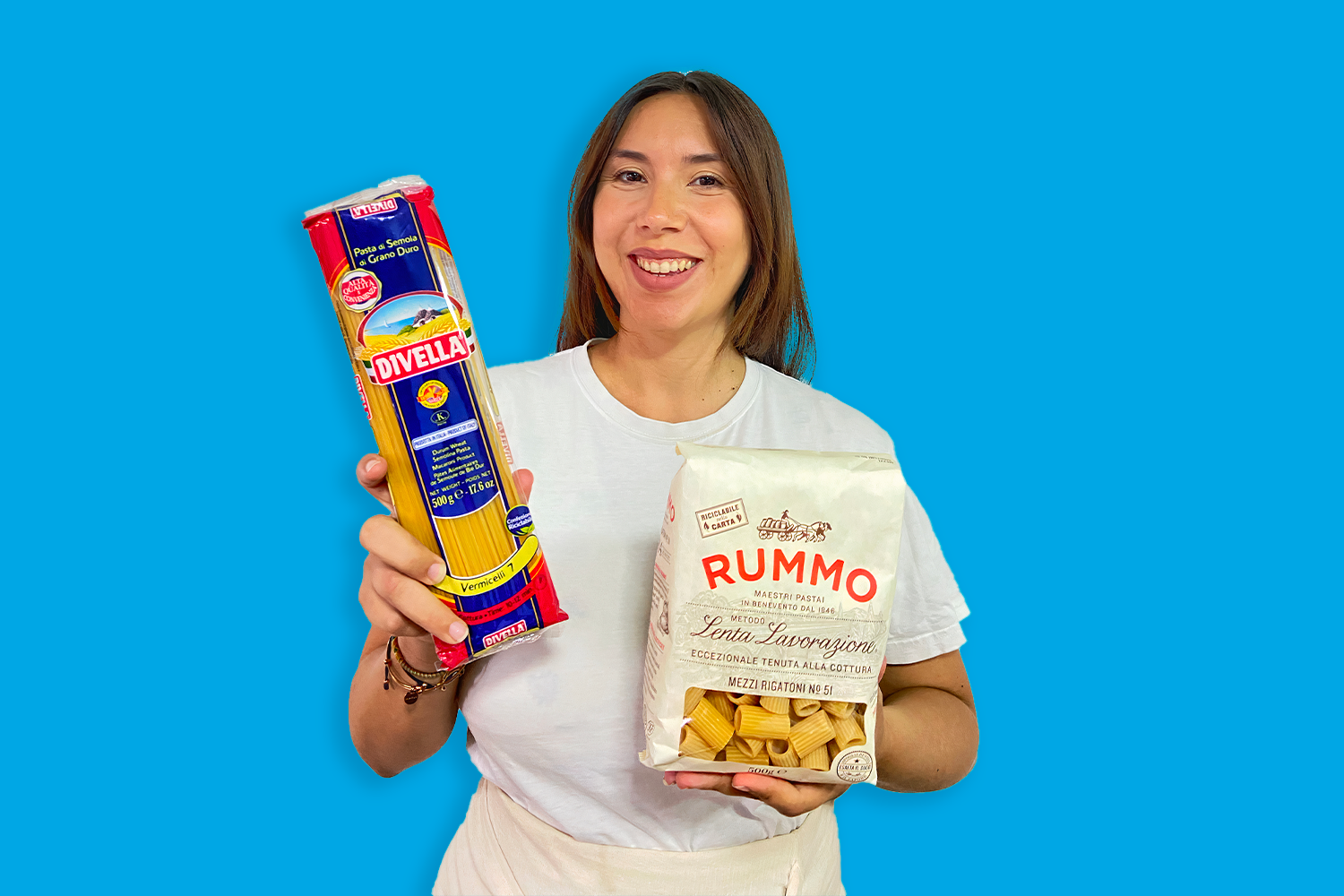
10 Most famous Pasta Types and how to use itRead morePasta represents a complete meal in Italy. A fair ration of carbohydrates is often accompanied by a protein or vegetables. How can you give it up? Impossible.
-
Pasta from Campania – quality and traditionRead moreLa cucina italiana gode di stima in tutto il mondo per la sua qualità e i suoi sapori tradizionali. Di regione in regione, è possibile gustare una moltitudine di prelibatezze e in modo particolare, la regione Campania, si contraddistingue tra tutte in quanto custode della storia della pasta italiana. Paccheri, spaghetti, ziti, pasta mista…
-
Pocket Coffee: The Iconic Italian Espresso to Take with YouRead moreItalians can give up many things but not coffee! Coffee is a ritual, a guarantee, the expression of true Italian culture and especially espresso is known for its quality and unique flavor. Drinking a good espresso in the morning bodes Italians a good day – especially when you have a very hectic lifestyle.
-
Pasta Venere: origins, characteristics and recipesRead moreLa pasta venere nasce come sperimentazione innovativa del pastificio bresciano Lensi di Verolanuova. Si compone per il 25% di farina di riso venere integrale e per il 75% di grano duro integrale italiano. La fusione di questi due ingredienti conferisce alla pasta il colore nero e il suo sapore delicato. La pasta venere subentra come innovazione dopo il grande successo riscosso dal riso venere.
-
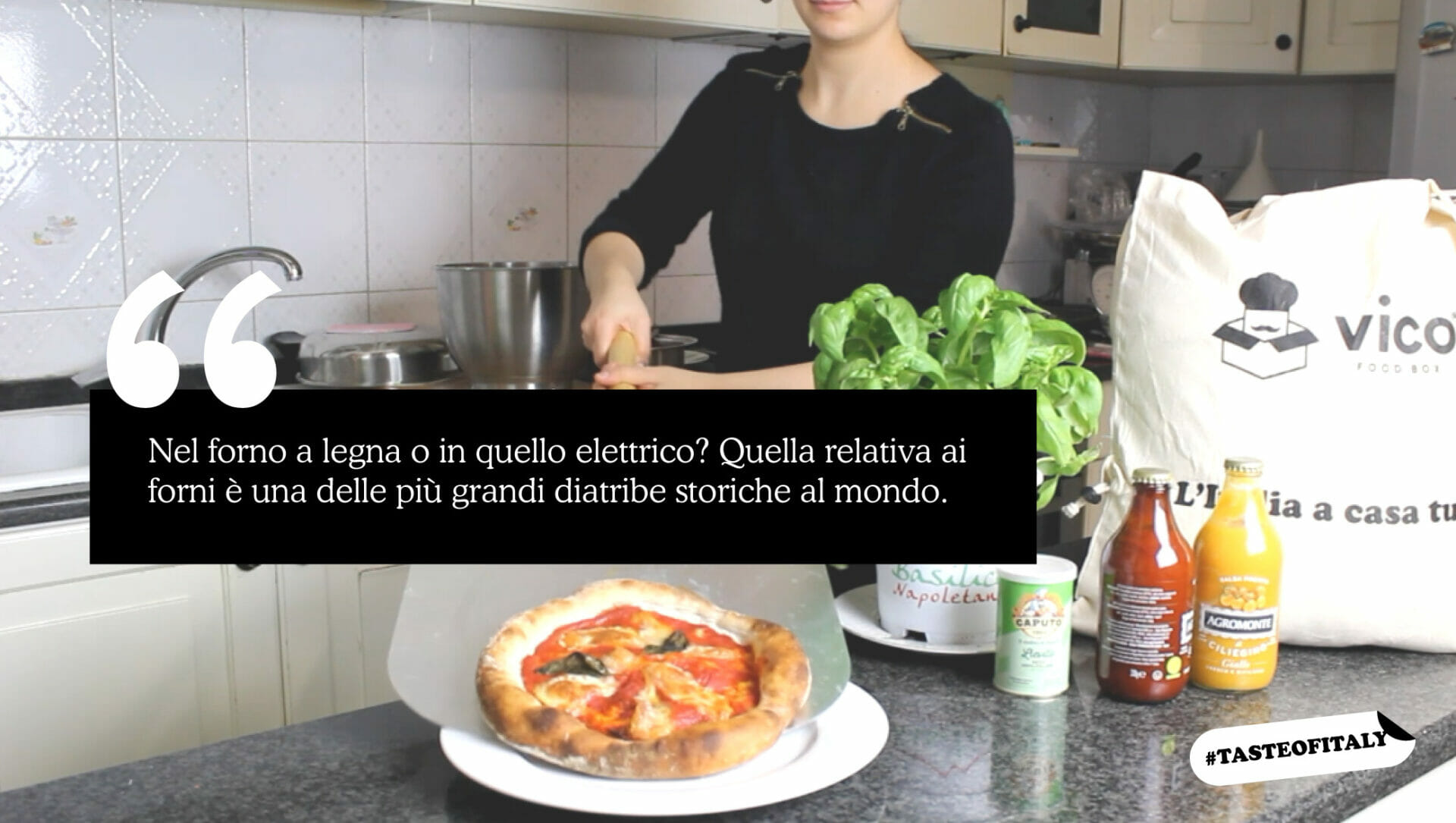
How to make Neapolitan pizza at homeRead moreWie man neapolitanische Pizza zu Hause macht Wer liebt keine Pizza? Und vor allem, wer liebt keine selbstgemachte Margherita-Pfannenpizza? Hier erfahst du, wie du Pizzateig einfach und professionell zubereiten kann!
-
Limoncello Spritz – what you need to knowRead moreBefore introducing Limoncello spritz, let’s start with the basics: do you know limoncello? Limoncello is a typical liqueur from Campania, it is made from citrus peels, particularly lemons from the Amalfi Coast. It is considered an excellent digestive to drink after a meal, or it can also be used to moisten desserts, fruit salads and ice cream.
-
7 curiosities about Italian cannelloniRead moreCannelloni Cannelloni sono uno dei piatti più amati d'Italia. La loro preparazione è davvero veloce e gustosa. Sapete cosa sono? Scopriamolo insieme.
-
Mulino bianco cookies - where to buy themRead moreMulino Bianco Biscotti Una colazione italiana è il desiderio di molte persone all'estero: sia degli italiani che non sono in città e vogliono bere un caffè corto, sia degli stranieri o turisti affascinati dalla varietà di biscotti e brioche che gli italiani mangiano. Anche uno spuntino diventa un'abitudine piacevole, una pausa dal lavoro o dalla scuola. Ma quali sono i biscotti più amati? Li presentiamo insieme in questo articolo.
-
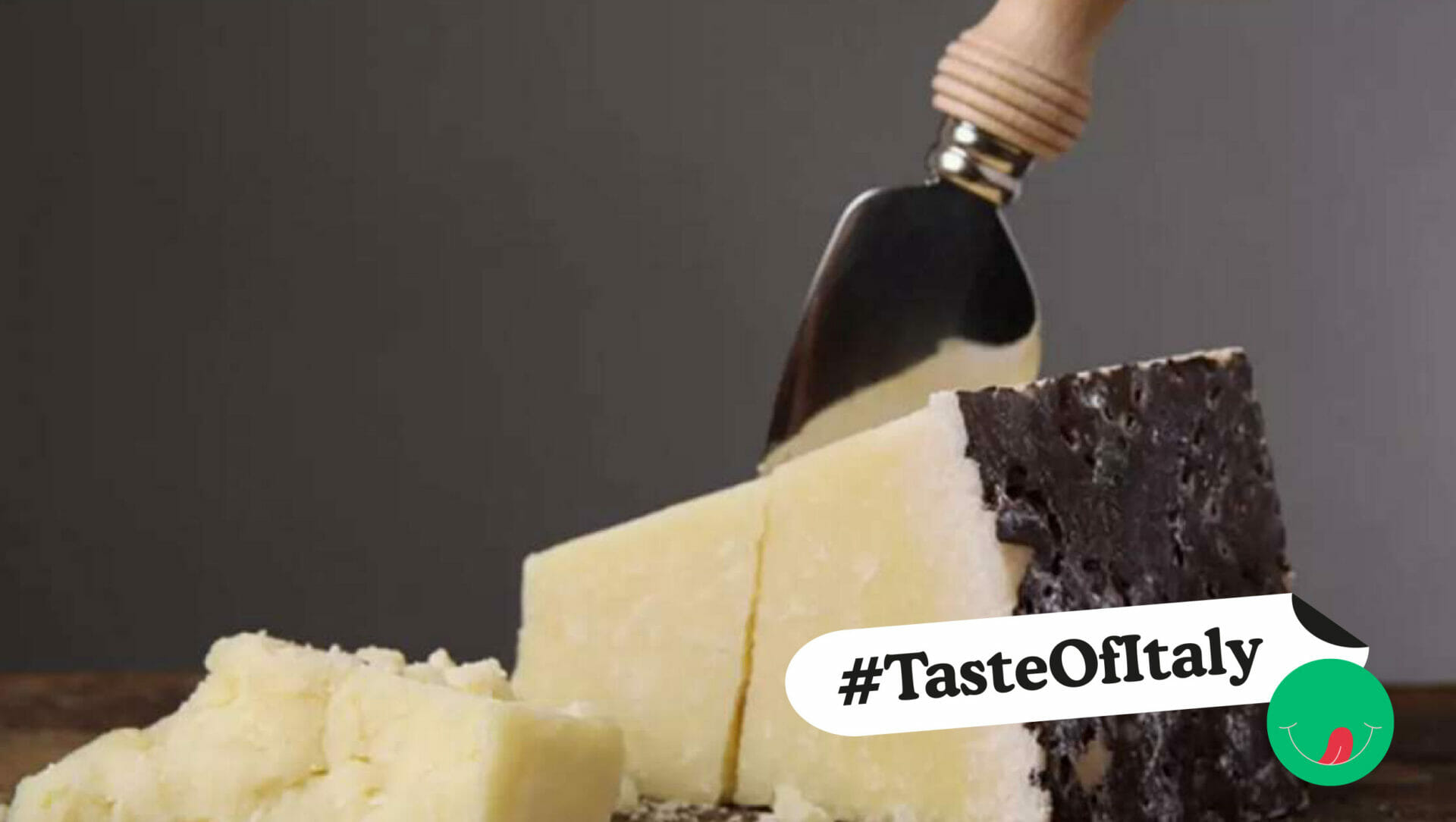
Parmigiano, Grana and Pecorino - what are the differencesRead moreIn Italy, there are many varieties of cheese, and above all: each one is better than the other! Depending on the characteristics of the cheese, they are paired with different dishes or often, precisely to savor their differences, combined with different flavors on boards for aperitifs (alone or accompanied by cured meats, jams).