The most famous Italian bitter in the world
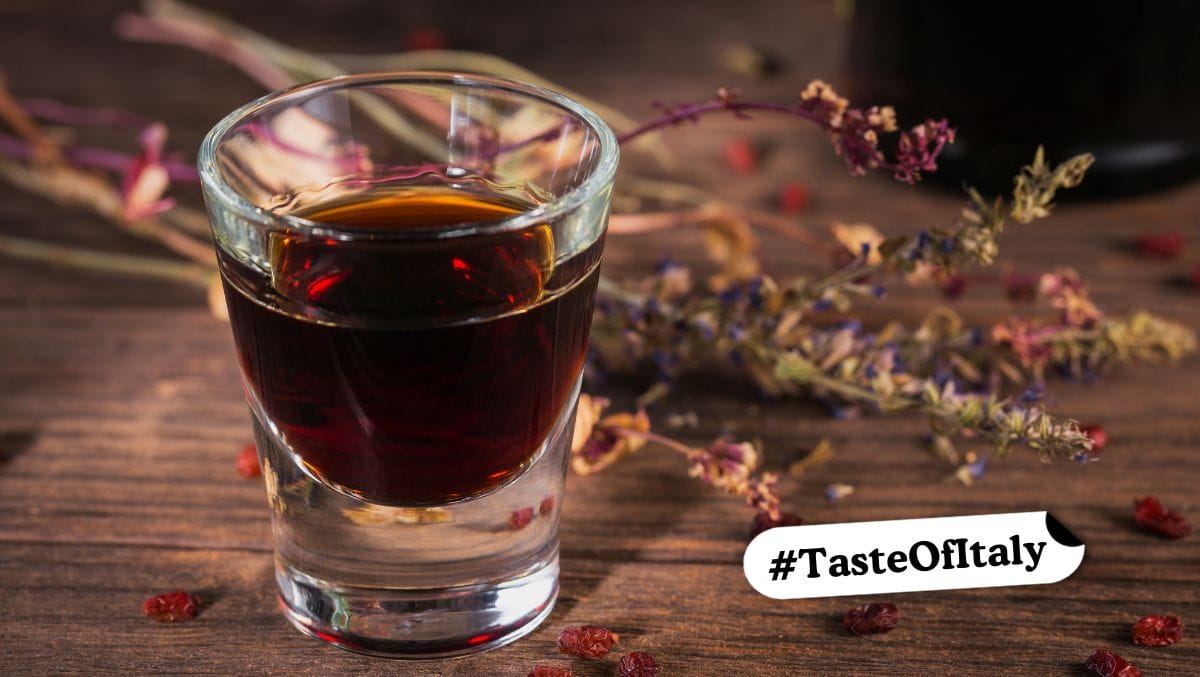
In Italy, amaro after a hearty Sunday lunch is a way of life. Often you hear people say "let’s have a digestif" or an "ammazzacaffè" precisely to aid digestion and free the stomach. Amari differ from liquors by their taste: amaro is bitter and is used specifically to conclude a meal. Liquors, on the other hand, are sweet and accompany desserts, are used to soak sweets, or can be ingredients in cocktails.
Origins
Amari, like liquors and infusions, originated in the medieval Arab world for medicinal purposes, thanks to Alchemy. The first drink similar to an amaro dates back to 1300 by the Catalan alchemist Arnaldo da Villanova, who used an infusion of alcohol and herbs to cure an attack of colitis suffered by Pope Boniface VIII during the Jubilee. Its miraculous effectiveness spread quickly, and for this reason, Arnaldo codified the recipe. From then on, many monasteries and convents practiced and researched these types of medicinal infusions. In 1737, the first recreational bitter liqueur was created by Brother Jerome Maubec, the Chartreuse Vert, and from then on, the secret to making liquors left the convent walls for public and commercial consumption.
Famous Italian amari
Amaro del Capo
The old Amaro del Capo originates from Calabria, Vibo Valentia. It takes its name from the place depicted on the label, Capo Vaticano, and is characterized by its sweet-bitter taste with an aromatic aftertaste. It is made with water, neutral alcohol, sugar, herb infusions, and natural aromas. It has an alcohol content of 35% and is recommended to be consumed ice-cold in a chilled glass.
Fernet Branca
Fernet Branca is an Italian amaro from the Branca family of Milan. Produced since 1845 by Bernardino Branca, its first recipe dates back to 1842 under the name Fernet Vittone. The recipe has always been a secret, passed down from father to son. Fernet is made with 27 herbs and spices from four continents, including cinnamon, aloe, rhubarb, chamomile, cinchona, zedoary, galangal, linden, bitter orange, iris, saffron, myrrh, in a base of grape alcohol along with flowers, leaves, roots, and stems used to make alcoholic infusions. Its alcohol content is 39°. It is recommended to serve it at room temperature or with ice as a digestif after a meal.
Amaro Lucano
Amaro Lucano is a sweet-bitter herbal liqueur produced in the province of Matera, in Pisticci Scalo. It was invented in 1894 by Pasquale Vena, who produced it in his bakery by mixing medicinal herbs. By 1900, Lucano became so famous that the Vena family became official suppliers to the House of Savoy, and after the founder’s death, the business passed to his sons, Leonardo and Giuseppe Carmine.
Amaro Camatti
Amaro Camatti is an ancient Genoese liqueur with a balanced and expressive flavor based on almond, gentian, quinine, bitter orange, and mint along with flowers and aromas, produced through an artisanal process. It was created in 1924 with a secret recipe by the Livornese chemist Umberto Briganti together with his brother Cesare. It is named in honor of the surname of his beloved wife, Camatti.
We suggest drinking it as an aperitif or digestif, alone or with a few ice cubes.
In 2023, it won the World Liquers Awards 2023 international competition.
Cynar
Have you ever heard of an artichoke-based liqueur? That’s Cynar, a liqueur made from artichoke leaf essence and an infusion of thirteen herbs and plants, with a sweet-bitter taste and dark amber color. It originated in 1948, created by the Venetian entrepreneur Angelo Delle Molle. Since 1995, it has been part of the Campari group.
Its alcohol content is 16.5 degrees. It was born both as a digestif and an aperitif. We recommend drinking it with ice, accompanied by a slice of lemon or orange.
If you’re craving amari and live abroad, take a look at our site! We ship the real Made in Italy throughout Europe and the UK.