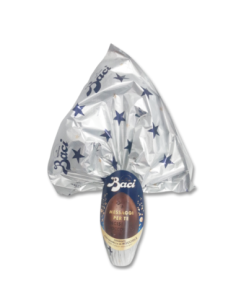
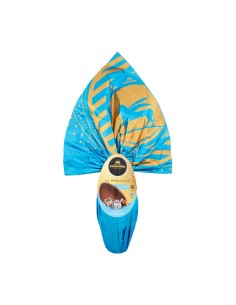
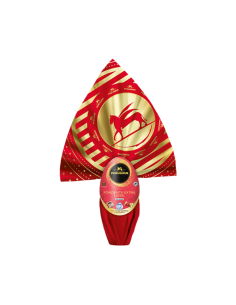
New Easter Eggs Perugina Dark chocolate Easter egg with hazelnut granules - 310 gr Perugina YA191 €23.50 Add a touch of sweetness to your Easter with the delicious Perugina dark chocolate Easter egg with hazelnut granules. This classic chocolate egg, loved by both young and old, is perfect for a special gift or to delight your taste buds during the Easter holidays. With its intense flavor and the crunchiness of the hazelnut granules, every bite will be a... Add to Box
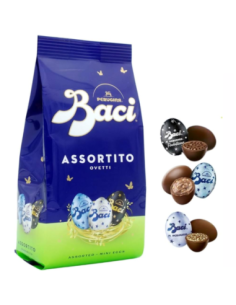
New Easter Eggs Assorted Perugina Kisses chocolates - 150 gr Perugina YA201 €6.95 What could be better than a delightful kiss? With the assorted mini Easter eggs Baci Perugina, you can give yourself or the people you love a moment of sweetness and joy. Discover the magic of tasting the famous Baci Perugina in an even more fun and colorful version. Each bite will offer a mix of dark and white chocolate, enriched with a heart of gianduia... Add to Box
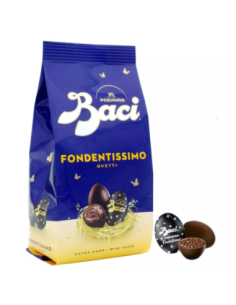
New Easter Eggs Baci Perugina ovetti gusto Fondentissimo - 150 gr Perugina YA200 €6.95 Enjoy the intense flavor of the irresistible Baci Perugina Dark Chocolate Eggs. A delightful treat for the palate, perfect for a moment of sweetness and relaxation. Made with selected ingredients, these dark chocolate eggs will give you a unique and intense taste experience. Ideal to enjoy on your own or share with your loved ones, Baci Perugina Dark... Add to Box
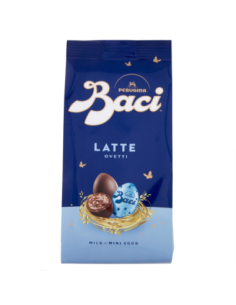
New Easter Eggs Baci Perugina milk chocolate eggs - 150 gr Perugina YA199 €6.95 Indulge in sweetness throughout your day with delicious Baci Perugina milk-flavored chocolate eggs! These small chocolate masterpieces are the perfect solution for a moment of pure pleasure. Made with high-quality ingredients, Baci Perugina eggs will give you a unique and unforgettable tasting experience. With their irresistible soft and enveloping heart,... Add to Box
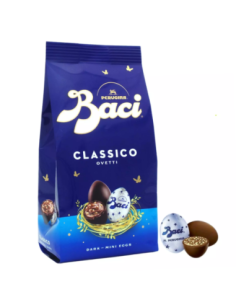
New Easter Eggs Baci Perugina ovetti gusto Classico - 150 gr Perugina YA198 €6.95 Delicious milk chocolate eggs with a classic filling, presented in a convenient 150g format. Perfect for treating yourself to a moment of sweetness and pleasure, Baci Perugina eggs are the ideal gift for those who love authentic and refined flavors. With their soft and enveloping heart, they will win over both adults and children, giving a unique and... Add to Box
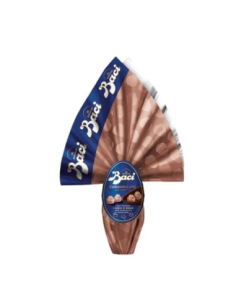
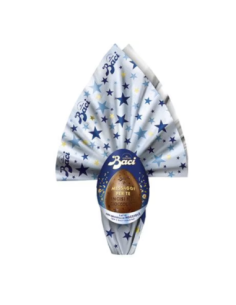
New Easter Eggs Baci Perugina Milk Chocolate Easter Egg with Hazelnut Granules - 245 gr Perugina YA193 €23.50 The delicious Perugina milk chocolate Easter egg with hazelnut granules is the perfect gift to celebrate Easter in a sweet and special way. With its hazelnut gianduia flavor covered in a indulgent layer of milk chocolate and hazelnut granules, this egg is an explosion of taste in every bite. Italian tradition and craftsmanship come together in this unique... Add to Box
New Easter Eggs Perugina Chocolate Easter egg with milk and cookie crumble - 245 gr Perugina YA195 €15.95 Bring the magic of Easter directly to your table with Perugina's Milk Chocolate Easter Egg with Biscuit Crumbs. An irresistible combination of creamy milk chocolate and crunchy biscuit crumbs that make this treat a unique and unforgettable experience. Enjoy every bite of this special egg and let yourself be conquered by the authentic taste and... Add to Box
New Easter Eggs Baci Perugina Easter Egg Caramelized with Almonds - 265 gr Perugina YA189 €21.95 Bring a touch of sweetness and Italian art to your table with the delicious Caramelized Almond Easter Egg from Baci Perugina. With its crunchy chocolate shell and the surprise of caramelized almonds inside, this egg is perfect to make your Easter even more special. Enjoy the unique taste and artisan quality that only a historic brand like Perugina can... Add to Box
New Easter Eggs Perugina Milk Finest Easter Eggs - 245 gr Perugina YA020 €15.95 Celebrate Easter in a sweet and delicious way with Perugina's Finest Milk Chocolate Easter Eggs. Made with the finest milk chocolate, these eggs are a perfect gift for friends and family. With their rich and indulgent flavor, Perugina's Finest Milk Chocolate Easter Eggs will bring a smile to anyone who receives them. Ideal for sharing special moments and... Add to Box
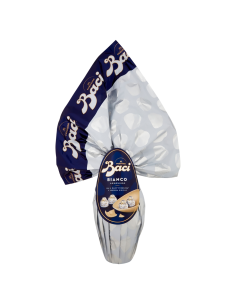
New Easter Eggs Baci Perugina White Special Egg - 265 g Perugina YA036 €21.95 At Easter you always got the chocolate egg. You liked to put it on the kitchen shelf and count the days until Easter Day. You couldn't wait to find the surprise! Now that you are grown up, what counts is eating good chocolate. And since you are a white chocolate lover, you never miss Baci Perugina Egg White Special. Often Perugina quality white chocolate... Add to Box
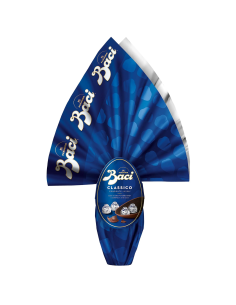
New Easter Eggs Baci Perugina Dark Luisa Egg classic - 265 g Perugina YA035 €21.95 Better an egg today, especially if it's the Baci Perugina Dark Easter Egg! The shell of delicious dark chocolate encloses magnificent surprises, to be shared always with those you love! An extremely fragile product, we take the utmost care in packaging it. For this product we do not provide refunds in case of breakage due to transport by courier. Add to Box
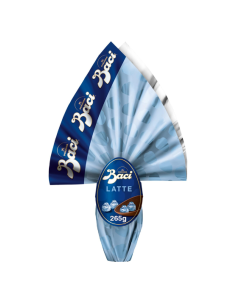
New Easter Eggs Baci Perugina Milk Special Egg - 265 g Perugina YA034 €21.95 Ever since you were a child, you got a chocolate egg at Easter. You used to put it in plain sight on the living room shelf and count the days to open the egg and find the surprise. Now that you are grown up, you care little about the surprise, what counts is eating good chocolate. That's why you never miss Baci Perugina Egg Milk Special. An egg made with... Add to Box
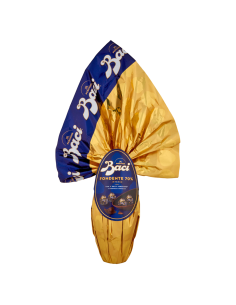
New Easter Eggs Baci Perugina Extra Dark 70% Egg - 265 g Perugina YA033 €21.95 The best chocolate you think exists in Italy? Perugina's, in all its forms. You love Baci Perugina, always there for Valentine's Day and at Easter you never miss Baci Perugina Uovo Fondentissimo 70%. A Perugina quality chocolate egg, an icon of Made in Italy, made of dark chocolate with a delicious flavour, thick and intense in taste. "An extremely... Add to Box
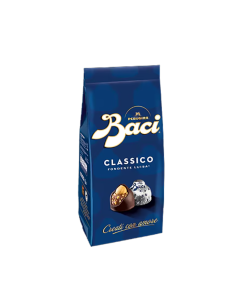
New Chocolate Baci Perugina Dark Fondente Luisa bag - 125 g Perugina BI022 €6.90 Baci Perugina Dark Fondente Luisa are an icon of Italian sweetness. Made with high-quality dark chocolate and a soft hazelnut cream center, enriched with a crunchy whole hazelnut, they are the perfect gift for any occasion. Each chocolate is wrapped in a romantic message, making every moment special. Perfect for those seeking an authentic indulgence or a... Add to Box
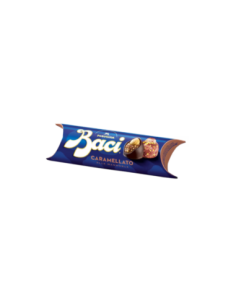
New Chocolate Baci Perugina Caramelized with Almonds Tube 3 pcs - 37.5 gr Perugina BI070 €2.75 Baci Perugina Caramellato with Almonds - The Unmistakable Italian Sweetness Discover the irresistible taste of Baci Perugina Caramellato with Almonds, a delight that combines traditional dark chocolate with caramel sweetness and crunchy almonds. Each bite offers a perfect harmony of flavors, wrapped in a high-quality chocolate embrace. Baci Perugina are a... Add to Box
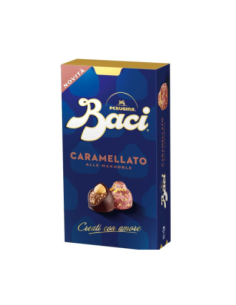
New Chocolate Baci Perugina Bijou Caramelized with Almonds - 200 gr Perugina BI069 €10.50 Baci Perugina Caramellato with Almonds - The Unmistakable Italian Sweetness Discover the irresistible taste of Baci Perugina Caramellato with Almonds, a delight that combines traditional dark chocolate with caramel sweetness and crunchy almonds. Each bite offers a perfect harmony of flavors, wrapped in a high-quality chocolate embrace. Baci Perugina are a... Add to Box
New Chocolate Perugina Baci Bijou Fondentissimo - Dark 70% - 200 gr Perugina BI050 €10.50 How to say 'I'm thinking of you' to your loved one? With the refined Baci Perugina Fondentissimo - Dark 70% box! The taste of dark chocolate with a gianduja heart and caramelised cocoa beans will be the way to break all hearts!" Add to Box
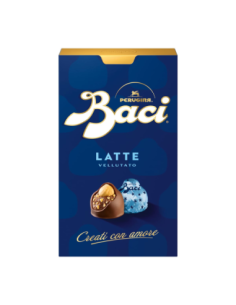
New Chocolate Baci Perugina Milk - 200 gr Perugina BI068 €10.50 The Baci Perugina Latte are a variation of the classic Baci Perugina, made with milk chocolate instead of the traditional dark chocolate. Even in this version, the chocolates maintain the typical filling of gianduia and whole hazelnut. Add to Box
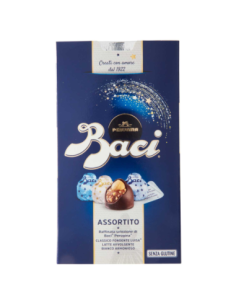
New Chocolate Baci Perugina assorted - 200 gr Perugina BI034 €10.50 Baci Perugina are famous for their gianduia and whole hazelnut filling, wrapped in a thin layer of dark or milk chocolate, and each chocolate is accompanied by a romantic message or aphorism written on a small piece of paper. In the assorted version, the package includes a selection of chocolates with various types of chocolate, usually: Classic: dark... Add to Box
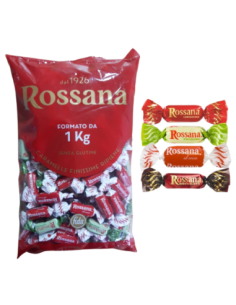
New Candy Rossana Candies Mix Bag - 1 kg Perugina BM077 €15.50 Assorted delight in a single package! With our 1kg candy mix, you can enjoy a variety of irresistible flavors in one package. Every bite is a journey through classic and innovative flavours, ready to satisfy every sweet desire. The classic sweets are a tribute to tradition, with their enveloping and familiar flavor that takes you back in time. Coconut... Add to Box
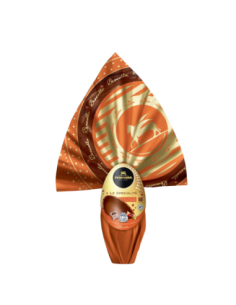
New Easter Eggs Perugina Dark Easter Egg - 245 gr Perugina YA161 €15.95 The Perugina® Le Specialità Dark Egg is an elegant Easter delight. The Luisa® extra dark chocolate shell embraces three traditional chocolates: the classic Baci® Perugina® Luisa® dark chocolate, the refinement of the Perugina® Grifo Fondente 51% praline, and the sweetness of the Perugina® Liù Latte chocolate. Packaged in a 245g format, it is ideal for... Add to Box
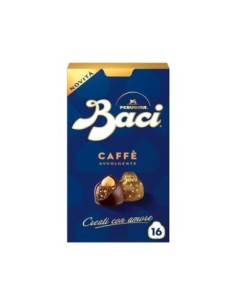
New Chocolate Baci Perugina with coffee - 200 gr Perugina BI098 €10.50 Baci Perugina with coffee are a famous Italian delight, a close relative of the famous "Baci". These chocolates are composed of a creamy heart of coffee gianduia, wrapped in a layer of high quality dark chocolate. Each kiss is carefully packaged and enriched with a small love phrase or a romantic message. The robust aroma of coffee pairs perfectly with... Add to Box
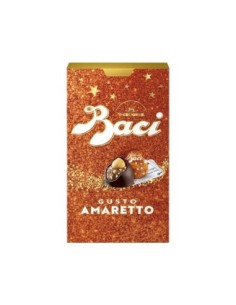
New Chocolate Baci Perugina Amaretto Flavor - 150 gr Perugina BI097 €8.95 Baci Perugina with amaretto flavor are an irresistible Italian temptation. These delicious chocolates feature a creamy amaretto-flavoured gianduia centre, wrapped in a rich layer of high-quality dark chocolate. Every kiss is a small treasure chest of sweetness and harmony, with a romantic surprise or a message of love. The delicate flavor of amaretto... Add to Box
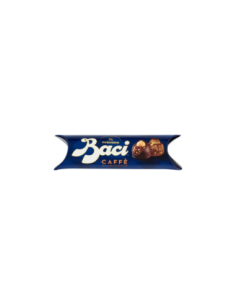
New Chocolate Baci Perugina coffee tube 3pcs - 37.5 gr Perugina BI099 €2.75 Baci Perugina with coffee are a famous Italian delight, a close relative of the famous "Baci". These chocolates are composed of a creamy heart of coffee gianduia, wrapped in a layer of high quality dark chocolate. Each kiss is carefully packaged and enriched with a small love phrase or a romantic message. The robust aroma of coffee pairs perfectly with... Add to Box
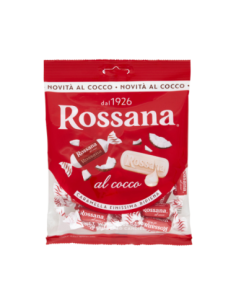
Sale New Candy Rossana Coconut Candy - 175 g Perugina BM069 €2.75 €3.25 Since 1926, Rossana has embodied an elegant symphony of distinct flavours and sublime refinement. Inside each Rossana, lies a creamy heart, rich in flavour. Discover the exceptional deliciousness of the new Coconut Rossana, which encompasses a masterful combination of carefully chosen ingredients, an irresistible milk and coconut cream, embellished with... Add to Box
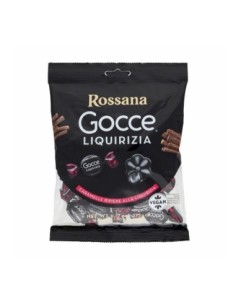
New Candy Perugina Rossana Liquorice Candy - 175 gr Perugina BM068 €2.99 Discover the unique delight of Perugina Rossana Liquorice Candy! These high quality candies give you an unforgettable taste experience. Their soft and creamy heart blends with the intense and enveloping flavour of liquorice, creating an irresistible combination of sweetness and spice. Each candy is made with care and dedication, guaranteeing a superior... Add to Box
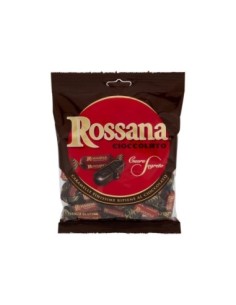
New Candy Perugina Rossana Chocolate Candies - 175 g Perugina BM063 €3.40 Rossanas as you've never seen them before! In this version, the Italians' (and grandmothers') favourite candies have a secret chocolate-flavoured heart: a goodness you can enjoy at any time of day! Add to Box
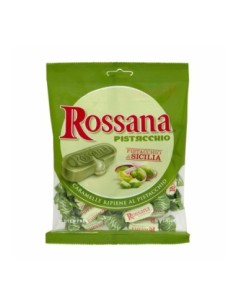
New Candy Perugina Rossana Candy filled with Sicilian Pistachio - 135 gr Perugina BM060 €3.69 "You invariably found them in your grandmother's candy dish. Today they are signed with a new and unique flavour, while keeping their iconic shape unchanged. Rossana Caramels, now filled with a delicious and creamy Sicilian Pistachio heart! With a hard, sugary exterior and the classic, unmistakable Rossana flavour, it encloses a pistachio cream with a... Add to Box
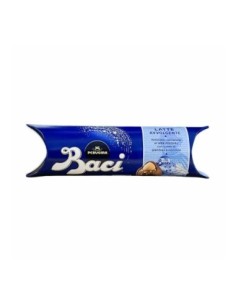
New Chocolate Perugina Baci Milk Tube 3st - 37,5 gr Perugina BI054 €2.75 Most people in love don't know, or pretend not to know, that to declare your love to someone you often don't need an expensive ring: sometimes, all you need is chocolate. You don't need a special occasion to give it as a gift! A chocolate that means I love you, but also I always think of you and, again, I want to take care of you. This is why Baci... Add to Box
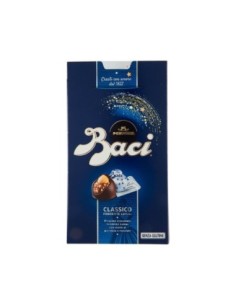
New Chocolate Perugina Baci Bijou Classic - 200 gr Perugina BI053 €10.50 What does Love mean? With a Bacio Perugina you don't need to answer in words, the goodness of Luisa's classic dark chocolate with gianduia and hazelnut heart will answer for you. The elegant Bijou package is perfect for a gift so what are you waiting for? Hurry up, Valentine's Day is just around the corner!" Add to Box