The Secrets of Italians in Germany
Italian Grocery Shopping Abroad Will Always Be a Must-Have
Italian grocery shopping abroad will always be a must-have for those who decide to move around Europe because, even if one relocates for work, love, or to improve their standard of living, an Italian never gives up good food and their traditions.
The first major drama an Italian faces abroad is, in fact, food. Wherever they may be, they cannot help but think about everything they miss; everything they won't find in a new place, what they can no longer taste or cook due to ingredients that always seem to be different because "the climate is different" or "it's not the same quality."
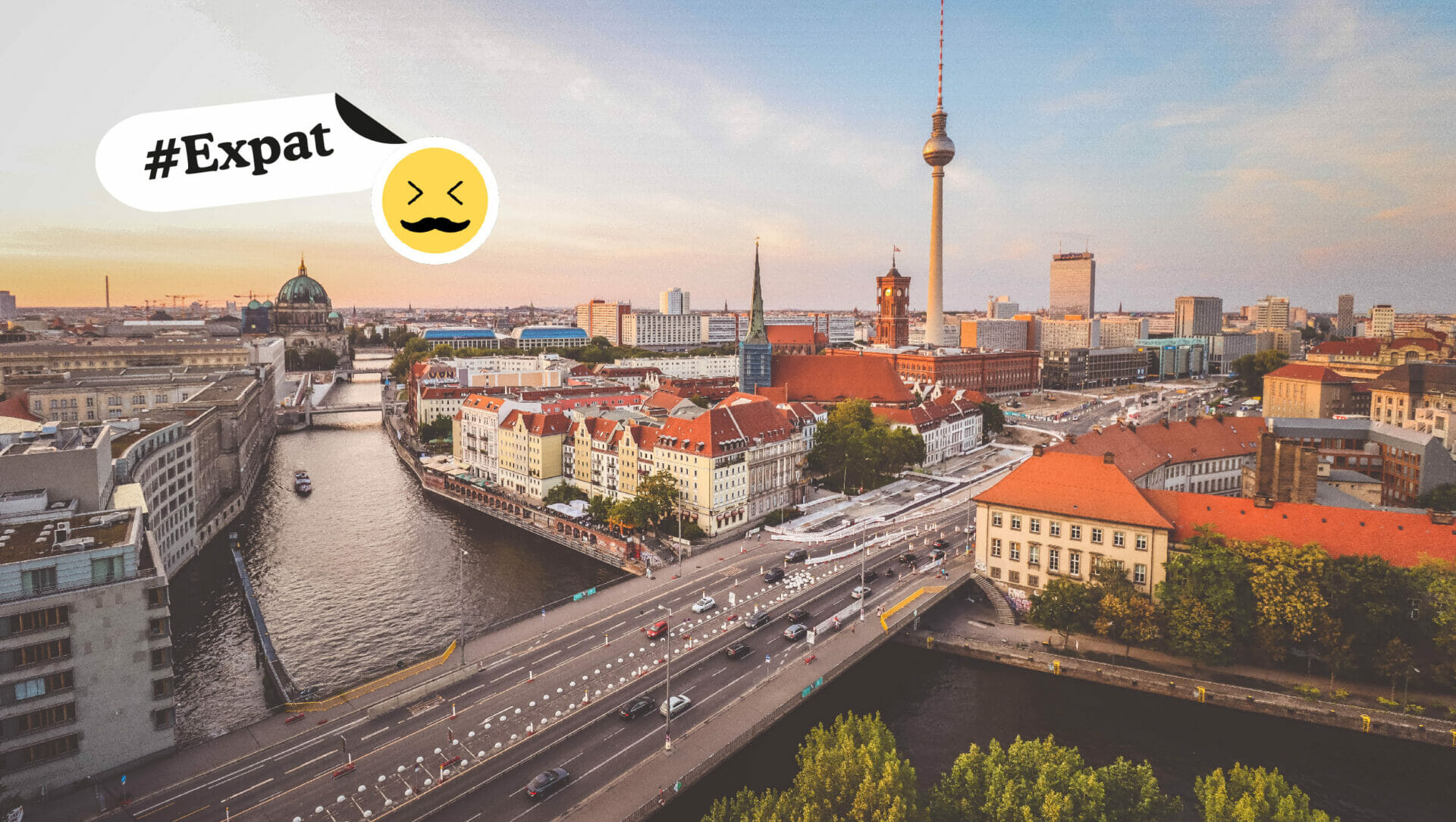
Living in Germany means getting used to the idea of a harsh climate that doesn’t always allow vegetation to grow and that involves the trade of imported goods. But imported from where? Plus, how can an Italian abroad live without their pasta? Or their pizza?
As of today (data from 2019-2020) and for over 15 years, the country that hosts the largest number of Italians is Germany, with 1,198,032 people (more than a third of the Italian population in Europe). Following are Great Britain with 14% of the Italian population, France with 13%, Spain with 10%, and Belgium with 6%. Since 2008, the number of immigrants coming from Italy has seen a significant increase, comparable to that which occurred in the second half of the last century, around 1970.
Let’s go shopping!
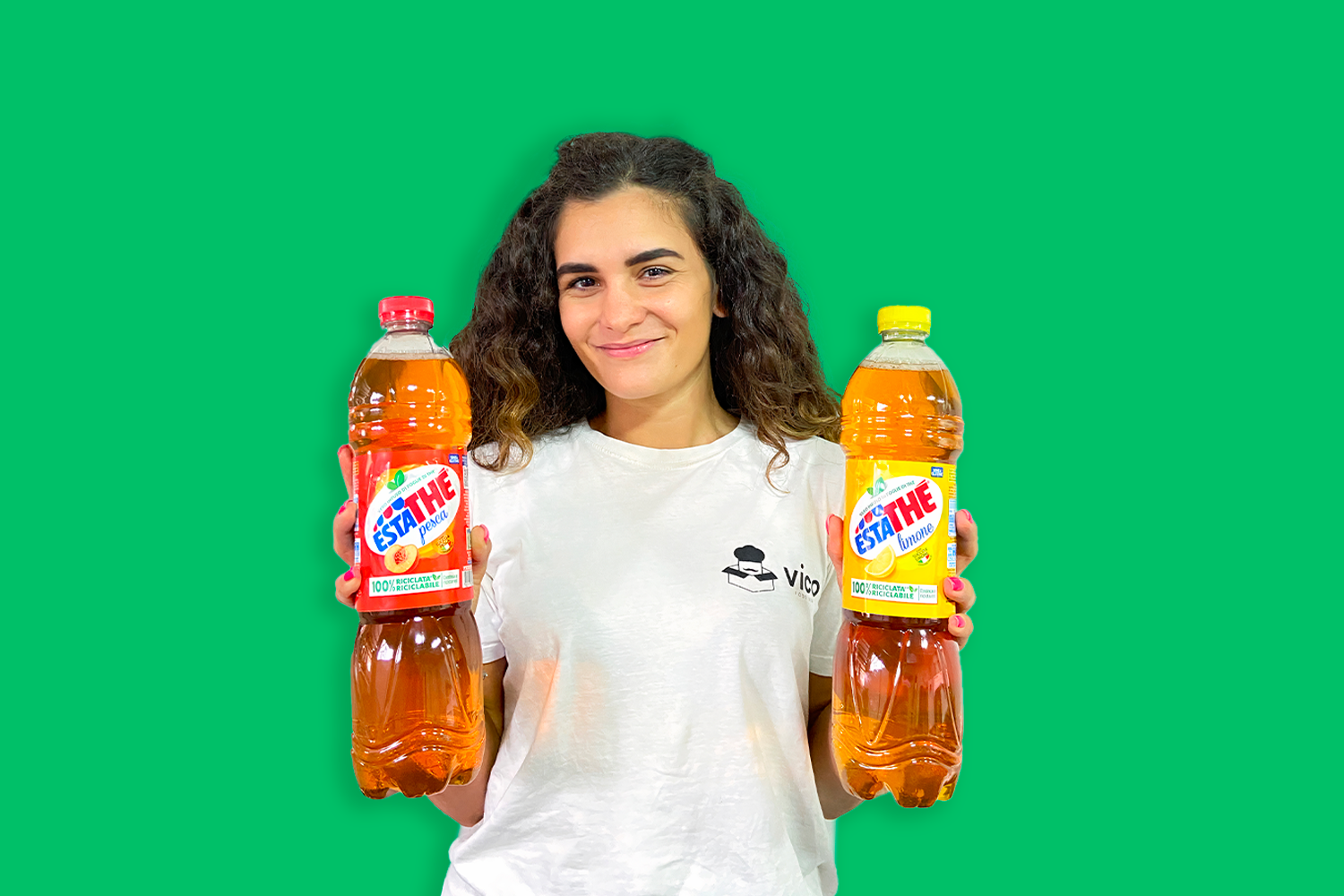
The new generations of Italians abroad are definitely much luckier than their predecessors, who lived through this agony of searching for products and literally travelled with local food in their suitcases to bring Italian groceries back home. Nowadays, it only takes a click and specialized companies take care of satisfying their clients with Italian groceries. We at Vico Food Box work just for you, to bring Italian food to your table.
What are the most appreciated products in Germany?
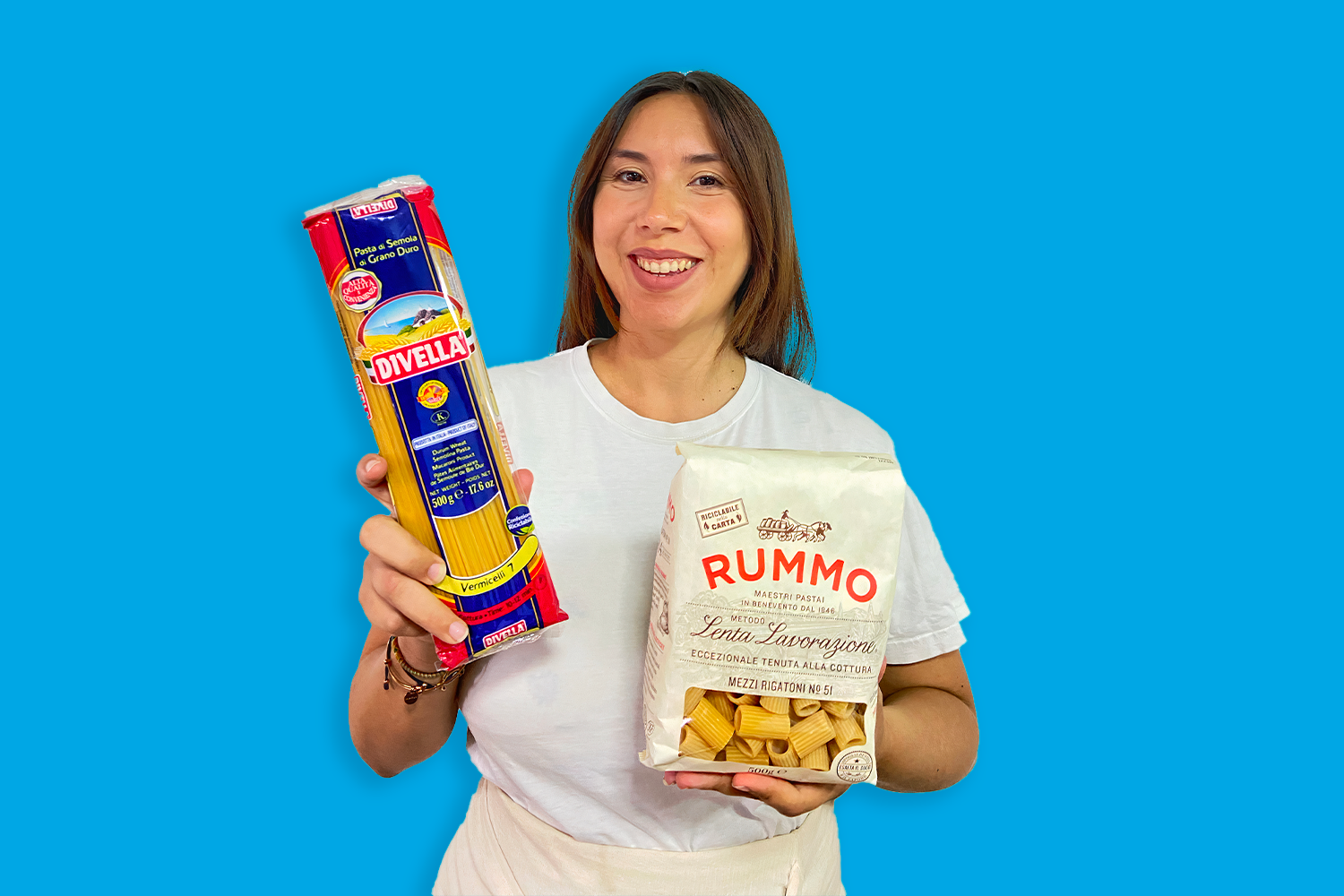
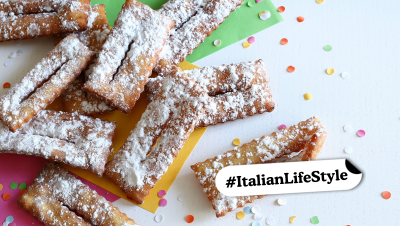
The most loved products we sell in Germany are numerous. Starting with pasta (Restaurant Spaghetti, Linguine, Fusilli, Farfalle, Vermicelli — a lot of long pasta), ready-made sauces, Italian coffee, and local delights from Southern Italy (Friarielli, Guanciale, Roman Pinsa, Neapolitan Taralli, Nduja, and this month super traditional products like Carnival chiacchiere). Typical native products and also easily found among local delicacies.
Let’s say you want to make a tiramisu— who trusts German long coffee? Not to mention ladyfingers… typical products, not easy to find, and which we sell.
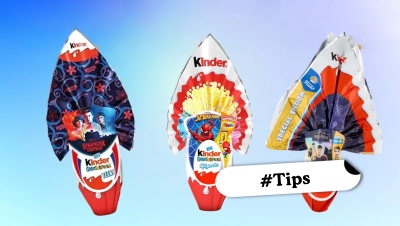
Among the best-selling products, there is no shortage of cookies and sweet snacks! Indeed, Kinder Brioss, Gocciole, Kinder Panecioc, Fiesta, GranTurchese.
What to eat, instead, if you are in Germany and want to try German cuisine?
It is definitely not true that Germans only eat sausages, potatoes or that they only drink beer. These are certainly characteristic elements of this place, and Oktoberfest is proof of that. However, Germans also love to vary their eating habits and are very open to other culinary cultures — especially Italian cuisine.
You can’t leave Germany without tasting the following specialties:
First and foremost, meat. In Germany it’s widely consumed and you can't deny it’s really good. A German culinary proverb says:
“Frühstücken wie ein König, mittagessen wie ein Lord, abendessen wie ein Bettler”
“Eat breakfast like a king, lunch like a lord, dinner like a beggar”
You find meat everywhere (even at breakfast) since in Germany, as in many European countries, a savory breakfast is preferred — based on cold cuts, cheeses, various types of bread, coffee, and for the bravest — beer, even in the morning. There are even different varieties of sausages such as Weißwurst, Currywurst, Wiener Würstchen, Nürnberger Rostbratwürstchen (small sausages from Nuremberg), Thüringer Rostbratwurst, Leberwurst or Blutwurst, which are liver and blood sausages.
A typical German dish is Pork Knuckle, not to mention the famous Schnitzel served with Kartoffelsalat (it is a much thicker and softer cutlet compared to the Italian one, served with a vegetable and potato salad) or simply with salad and fries.
Sehr lecker!
Next, we must mention Flammkuchen, a specialty from Alsace and Baden-Württemberg. It looks a lot like pizza, but its dough is different; it’s a puff pastry topped in various ways. The most common ones are filled with cheese, potatoes, and ham. Of course, onions — Zwiebel — are never missing.
Everything is always accompanied by fresh, craft beer, a German specialty. Finally, during the day, it’s common to eat Brezels — plain or filled with butter — a very soft type of bread (contrary to what one might think). If the Brezels offered to you in Italy seem like a danger to your teeth, then they are not real Brezels!
Are you in Germany and craving Italian groceries?
Take a look at our website. You’ll find everything you miss.
We ship all across Europe and carry all the most famous Italian brands.
If you have any questions or doubts, remember you can contact us:
our Customers’ Happiness Team is ready to answer all your questions.