Cedrata and Tassoni soft drinks

From 1793 in Salò on Lake Garda, from the spice shop to Cedrata in a "cedar peel" bottle since 1956

Cedrata Zero, Gin Superfine, Bitter and Tonica, Italian luxuries and soft drinks.

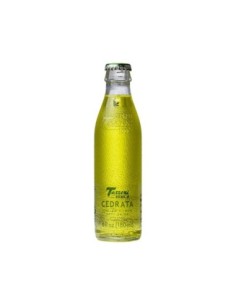
Tassoni was born in 1793 as a spice shop in Salò on Lake Garda, an activity officially recognized as a pharmacy that represents the prelude to liquor and extraction activity that would characterize company evolution. In 1868 Marquis Nicola Tassoni entered the ownership structure while in 1884 Paolo Amedei definitively separated pharmacy and distillery founding Cedral Tassoni, a denomination that unites the name of citron and that of the local noble family. In 1921 Carlo Amedei introduced Citron syrup which made the brand known thanks to innovative advertising campaigns for the time, a product that uses Calabrian Diamante citrons maintaining ingredient naturalness that would become the brand's distinctive cipher. The turning point came in 1956 with the birth of the carbonated soft drink "Cedrata Tassoni" derived from the historic syrup, launched in the iconic small bottle that recalls with relief texture the citron peel.

Cedrata becomes brand symbol thanks also to famous television caroselli of the sixties and seventies with Mina, among the best-known cases of Italian advertising that transformed a regional beverage into a national pop icon. Ornella Amedei guided communication using print media and television with creativity that anticipated times creating emotional storytelling around the product rather than simple promotion of functional characteristics. Cedrata Zero responds to growing demand for beverages without added sugars for consumers attentive to calorie control seeking alternatives to traditional versions maintaining citron's characteristic flavor without giving up the pleasure of sweetness obtained through zero-calorie sweeteners that do not impact blood sugar.

In 2021 entry into Gruppo Lunelli marked a new strategic phase with relaunch of visual identity, range expansion toward mixology and positioning as "luxury soft drink" that maintains recipe and historic heritage elevating quality perception. Gruppo Lunelli brings consolidated experience in managing premium Italian beverage brands such as Ferrari Trento, skills that are applied to Tassoni to enhance unexpressed potential through investments in communication, selective distribution and product development that open new markets beyond traditional home consumption. The one hundred eighty milliliter bottle with "citron peel" texture remains an immediately recognizable distinctive sign that creates visual continuity between past and present, a brand equity element that is not sacrificed despite contemporary restyling.

Superfine Citron Gin is distilled in copper stills from 1872 using nine botanicals that create complex aromatic profile where citron emerges without dominating allowing perception of nuances of other spices and aromatic herbs. This technical and artisan continuity testifies to uninterrupted bond with pharmaceutical laboratory tradition where precision in ingredient selection and dosing represented the foundation of quality. Bitter del Lago with twenty-five percent alcohol by volume is positioned as base for signature cocktails that use Cedrata creating pairings where bitter's bitterness balances citrus sweetness, mixology that enhances both portfolio products in synergy that strengthens brand identity. Superfine Tonic completes the offering for professional mixing allowing the brand to preside over premium mixer category where quality products are needed that do not cover but enhance characteristics of spirits with which they are paired.

Fun fact: ads with Mina in the seventies including "Fate piano" have become cultural reference strengthening brand bond with Italian music and television of the golden age. Contemporary relaunch suggests perfect serve in goblet with ice and basil leaf, bringing Cedrata closer to cocktail ritual and clearing it from informal consumption transforming it into elegant aperitif beverage that can compete with alcoholic drinks in upscale bar and restaurant contexts. In 2023 restyling introduced logo relief and founding date directly on bottle glass, redesigned cap with Liberty references that evoke Belle Époque and passage of labels from plastic to paper for consistency with environmental sustainability commitments that Gruppo Lunelli communicates through decarbonization projects and packaging material impact reduction.

The range of savory snacks pairs perfectly with soft drinks during aperitifs where chips, peanuts and taralli create savory contrast that enhances Cedrata's citrus sweetness cleaning the palate between bites. Integration between proprietary soft drinks and spirits represents uniqueness compared to traditional soft drink competitors who rarely extend portfolio toward spirits creating complete ecosystem for both straight and mixed consumption. Ginger Ale and Ginger Beer complete the mixer offering intercepting recent years' trend toward spiced cocktails where ginger adds spiciness that balances sweetness of other ingredients. Today Tassoni continues to innovate maintaining fidelity to original 1921 citron syrup recipe that represents brand DNA, balance between tradition and contemporaneity that allows speaking to both nostalgic consumers who lived the caroselli era and millennials and generation Z who discover the brand through mixology and instagrammable perfect serves that transform consumption moment into experience to share on social media amplifying organic visibility through user generated content that no traditional advertising campaign could replicate with same authenticity and effectiveness.

quality

Historical Heritage and Stills from 1872

The company can boast uninterrupted continuity since 1793 when it was founded as a spice shop in Salò, officially recognized as a pharmacy prelude to the liqueur business. In 1884 Paolo Amedei definitively separated the pharmacy and distillery, founding Cedral Tassoni, a name that united cedar and the local noble family. Gin Superfine is distilled in still-functioning copper stills from 1872, a tangible testimony to technical and artisanal continuity where precision in the selection and dosage of ingredients represents the foundation of the quality inherited from the pharmaceutical tradition. The Cedrata recipe derives from the cedar syrup from 1921 with Calabrian Diamante cedars while maintaining the naturalness of the ingredients that represents the brand's DNA. Joining the Lunelli Group in 2021 brings consolidated experience in managing premium Italian beverage brands such as Ferrari Trento.

Sustainability and Restyling Packaging 2023

The 2023 restyling introduces switching labels from plastic to paper to be consistent with environmental sustainability commitments while reducing the impact of packaging materials. The relief of the logo and foundation date 1793 is stamped directly onto the glass of the bottle eliminating the need for additional applied elements. The cap is revisited with Liberty references that evoke Belle Époque consistent with historical heritage. The Lunelli Group communicates decarbonization projects and environmental goals such as carbon neutrality on other brands in the portfolio, a qualitative framework active at the corporate level with environmental certifications involving scope 1-2 and partially scope 3 through partnerships with certifying bodies such as ClimatePartner. The 180 milliliter bottle with a "cedar peel" texture remains an element of recognizability while preserving brand equity built over sixty years of market presence.

FAQ

It was founded in 1793 as a spice shop in Salò on Lake Garda, an activity officially recognized as a pharmacy which represents a prelude to the liqueur business. In 1868 the Marquis Nicola Tassoni joined the ownership group while in 1884 Paolo Amedei definitively separated the pharmacy and distillery, founding Cedral Tassoni. In 1921 Carlo Amedei introduced Cedar syrup, which made the brand known thanks to innovative advertising campaigns. The turning point came in 1956 with the birth of the carbonated drink "Cedrata Tassoni" derived from the historical syrup, launched in the iconic bottle with a texture that recalls the zest of cedar.

The Cedrata Tassoni launched as a carbonated drink in 1956 in a 180 milliliter bottle with a "cedar peel" texture that recalls the citrus peel in relief. It became a symbol of the brand thanks to the famous television carousels with Mina in the 1960s and 1970s, among the most famous cases of Italian advertising that transformed a regional drink into a national pop icon. The recipe derives from the 1921 cedar syrup with Calabrian Diamante cedars, maintaining the naturalness of the ingredients. The bottle represents an immediately recognizable brand equity element that creates visual continuity between past and present, preserved even in the 2023 restyling.

Yes, the range includes Tonica Superfine, Ginger Ale, Ginger Beer and Soda La Classica for professional blending. Proprietary spirits include Cedar Superfine Gin with nine botanicals distilled in 1872 copper stills and Lake Bitter at 25% alcohol by volume positioned as a signature cocktail base with Cedrata. The contemporary relaunch suggests perfect serves in a cup with ice and basil leaf, bringing the Cedrata closer to the cocktail ritual and freeing it from informal consumption. This integration of soft drinks and spirits represents uniqueness compared to traditional soft drink competitors who rarely extend their portfolio to spirits, creating a complete ecosystem for smooth, blended consumption.

It is the no added sugar version of classic Cedrata that responds to the growing demand for drinks for calorie-conscious consumers. It maintains the characteristic flavor of cedar without sacrificing the pleasure of sweetness obtained through zero calorie sweeteners which do not impact blood sugar. The formulation preserves the citrus fruit's distinctive organoleptic profile, allowing you to enjoy the historic drink without significant caloric intake. It represents a strategic extension of the range that intercepts health trends without sacrificing taste experience, allowing the brand to maintain the loyalty of historic consumers who, for health reasons, must limit simple sugars and acquire new young consumers who are more attentive to the nutritional composition of the drinks they purchase.

products

Product added to wishlist