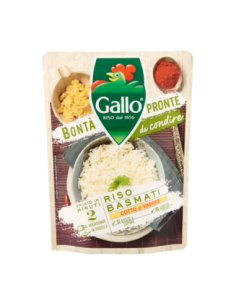
New Risotto Mixes Gallo Ready-to-Season Basmati Rice - 250 gr Gallo AQ014 €2.69 Discover the secret to creating delicious dishes in minutes with Gallo Basmati Rice Ready to Season. An explosion of authentic and genuine flavors, ready to delight the palate of your guests and family. With the quality guaranteed by the Gallo brand, a leader in the food sector, you can savor the goodness and genuineness of an Italian product that will... Add to Box
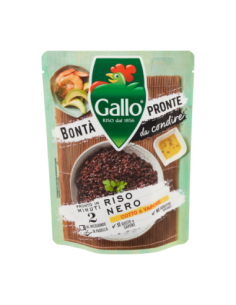
New Risotto Mixes Gallo Ready to Eat Black Rice - 250 gr Gallo AQ013 €2.95 Discover the unique taste and convenience of Gallo's Ready-to-Season Black Rice Goodies. A culinary experience ready in minutes, perfect for a quick and tasty dinner. Black Rice, rich in beneficial properties, will perfectly pair with any seasoning you choose to add. With Gallo, you can be sure to bring only the best quality rice to the table, prepared... Add to Box
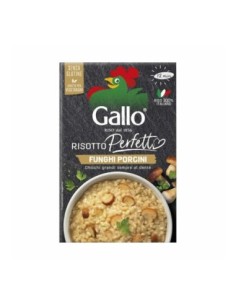
New Rice Gallo Perfect Risotto with Porcini Mushrooms - 175 gr Gallo AQ012 €2.60 Explore the delicious world of flavours with Gallo Risotto Perfetto con Funghi Porcini! This rice takes you on a culinary journey through the forest trails, with a touch of fun in every bite. The answer is simple: with Gallo rice, carefully selected to guarantee perfect cooking and a creamy texture. With Gallo Risotto Perfetto con Funghi Porcini, you can... Add to Box
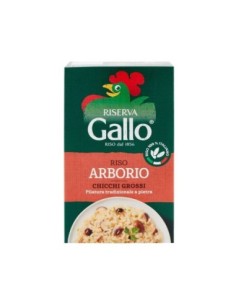
New Rice Gallo Arborio Rice - 1 Kg Gallo AQ009 €5.69 Archaeological evidence dating back 15,000 years traces the roots of rice back to Asia. It is difficult to establish exactly when this arrived in Europe: according to studies, it was Alexander the Great who introduced this cereal into our kitchens. Rich in minerals and protein, highly digestible and naturally gluten-free, today rice plays an essential... Add to Box
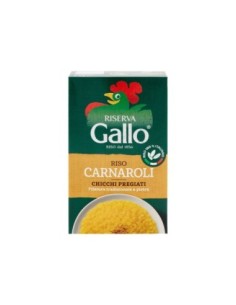
New Rice Gallo Carnaroli Rice - 1 Kg Gallo AQ008 €5.79 Archaeological finds dating back 15,000 years show that the roots of rice are very old and rooted in Asia. It is impossible to establish with certainty when this arrived in Europe: according to scholars, it was Alexander the Great who introduced this cereal into our kitchens. Rich in minerals and protein, highly digestible and naturally gluten-free, rice... Add to Box
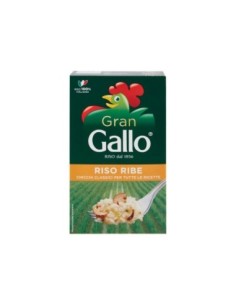
New Rice Gallo Rice Ribe - 1Kg Gallo AQ007 €3.89 Rice is an extremely versatile food, tasty and rich in nutrients. Highly digestible, naturally gluten-free and rich in protein and mineral salts, it is a cereal that is never missing from our diet. Another quality is its long shelf life, even when cooked: it can be stored for several days without changing its organoleptic qualities. The ultimate... Add to Box
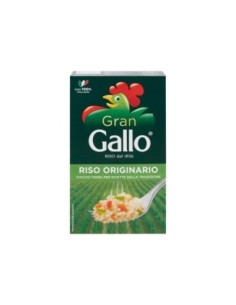
New Rice Gallo Rice Originario - 1 Kg Gallo AQ006 €3.69 Archaeological studies show that the roots of rice are very old and rooted in Asia. It is difficult to know exactly when it arrived in Europe: according to scholars, it was Alexander the Great who introduced this cereal into our kitchens. Rich in minerals and protein, highly digestible and naturally gluten-free, today rice plays a fundamental role in our... Add to Box
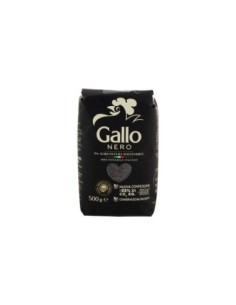
New Rice Gallo Black Whole Grain Rice - 500 gr Gallo AQ005 €4.19 Did you know that the origins of rice can be traced back more than 15,000 years? It is difficult to determine when this arrived in Europe: according to scholars, it was Alexander the Great who brought this cereal to our kitchens. Rich in minerals and protein, highly digestible and naturally gluten-free, today rice plays a vital role in our diet. Extremely... Add to Box
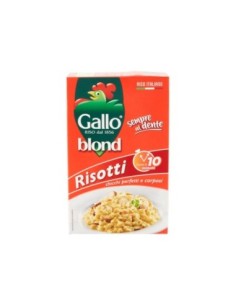
New Rice Gallo Rice Blond Risotti - 1Kg Gallo AQ003 €4.19 The roots of rice are very old and probably rooted in Asia. It is difficult to establish when it arrived in Europe: according to scholars, it was Alexander the Great who introduced this cereal into our recipes. Rich in minerals and protein, highly digestible and naturally gluten-free, today rice plays a fundamental role in our diet. Extremely versatile in... Add to Box
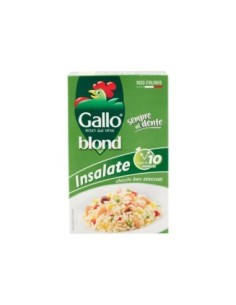
New Rice Gallo Rice Blond Salads - 1Kg Gallo AQ001 €4.25 It's hot. I can't eat anything! Why haven't you tried Gallo Blond Salad Rice yet, with tasty grains that are always al dente. Ideal for lunches on hot summer days and for recipes that always work up an appetite! Add to Box