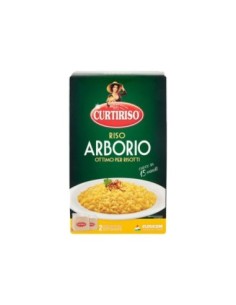
The story of Curtiriso begins in Lomellina, a plain shaped by water and rice rows, where in 1875 Virginio Curti introduced a more modern process compared to the standards of the time, systematizing variety selection, husking care, and quality control. Over time, this vision turned into a method, then into an identity: a brand that has withstood wars, reconstruction, and the opening of foreign markets, until its entry into a major rice group in the 1990s, when technological investments strengthened food safety, traceability, and production capacity. Dates mark important milestones, but it is above all the choices that tell the story of the brand’s evolution, from collaboration with rice growers in suitable areas to the refinement of drying cycles, up to a supply chain approach that puts territory, water quality, crop rotation, and respect for the grain’s natural timing at the center. A choice rooted in the field that also reflects sustainability, with biomass energy obtained from rice by-products and a measurable approach to reducing emissions throughout the process, supported by environmental certifications and packaging innovations that have reduced plastic use in favor of certified paper and food-safe inks. This story, made of technical expertise and agricultural passion, can be read in the products and the small gestures in the kitchen, when rice cooks and its aroma tells the story of the variety, the harvest year, and the hand that worked it.
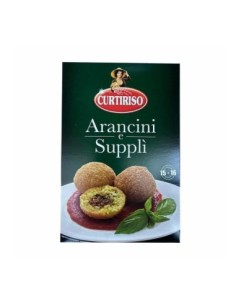
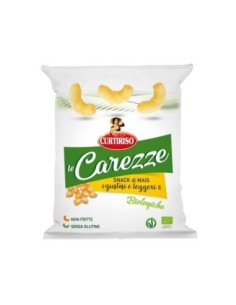
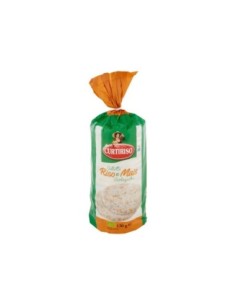
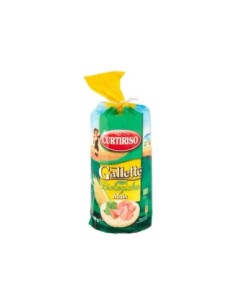
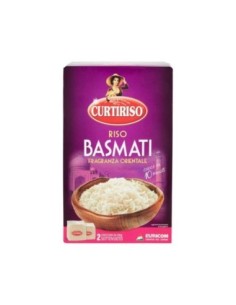
The range brings together oriental fragrances and great Italian classics, each with a precise role at the table. The basmati rice offers elongated and generally dry grains, ideal for dishes where sauces should remain well separated, a natural companion for crunchy stir-fried vegetables, aromatic curries, or steamed fish with fresh herbs. For traditional risottos, the structure of Carnaroli maintains its consistency during cooking and gradually releases starch, qualities that create creaminess during mantecatura without losing the grain’s definition, as appreciated in Carnaroli rice, designed for preparations where broth, sauté, and resting time make the difference. For regional recipes requiring compact and binding grains, the dedicated processing of Rice for Arancini helps achieve uniform spheres and a consistency that supports frying and filling, also suitable for supplì, timbales, or baked dishes. Alongside rice for main courses, the snack line reinterprets the raw material in a lighter key, such as thin, crunchy rice cakes that become a base for vegetable spreads, hummus, or jams, a practical solution between meals expressed in Organic Corn Carezze Snacks, designed as a simple and clean snack in terms of ingredients.
The brand’s evolution is also reflected in the packaging design, which has gradually abandoned hard-to-dispose materials in favor of simpler, recyclable solutions, with clear information on variety, yield, and cooking times. The decision to reduce plastic and use certified paper is part of a broader path of by-product recovery and investment in facilities that enhance rice husk as fuel, reducing dependence on fossil sources. At the supply chain level, contracts with selected farmers, variety controls, and sample sensory tests define repeatable standards, ensuring consistent performance in the kitchen from one batch to another. The result is a catalog that adapts to different eating habits, from creamy risottos to cold salads, from spiced dishes to baked preparations, with particular attention to clarity of use for everyday cooking.