Motta sweets

Since 1919 has accompanied Italian festivals with taste, elegance and innovation. Iconic recipes, selected ingredients and a Milanese soul that smells of tradition and creativity.

Frollini, Pandoro and Krumiri: the desserts that have made history

The story of Motta begins in Milan in 1919, when the young pastry chef Angelo Motta decided to revolutionize the way Christmas cakes were made. At a time when panettone was still a handcrafted product with little standardization, introduced an innovative method of natural leavening that gave the cake a new identity: thus was born the iconic tall dome-shaped panettone, a symbol of modern and visionary pastry-making. His workshop quickly became a point of reference for the entire city, so much so that in 1925 he opened the first store and in 1928 inaugurated the historic Bar in Galleria Vittorio Emanuele II, a meeting place for generations of Milanese. In the 1930s, the company became a joint-stock company and in the 1950s entered the ice cream market with the famous Mottarello. The brand didn’t stop there, and in 1954 invented the first Italian industrial snack cake, the Buondì, anticipating trends that would shape the country’s food culture. After various corporate evolutions, from the Nestlé group to Bauli, today the brand has returned to the spotlight thanks to an ambitious rebranding launched in 2024, which combines tradition and excellence under the creative guidance of chef Bruno Barbieri.

The catalog is deeply tied to Italian confectionery tradition, yet constantly updated to meet contemporary tastes. Among its most representative products is the Panettone, with a recipe that highlights selected ingredients such as raisins, Bourbon vanilla from Madagascar, Calabrian orange peel, and Italian wildflower honey. This dessert, a symbol of the Christmas table, has recently been reinterpreted in a gourmet key, maintaining its soft texture and airy dome but with a more refined balance. Alongside it, the Pandoro stands out for its delicate preparation and the quality of its ingredients: fresh butter, natural vanilla, and superfine sugar. A product that, for those mindful of the environment and circular economy, connects to the theme of creative recycling.

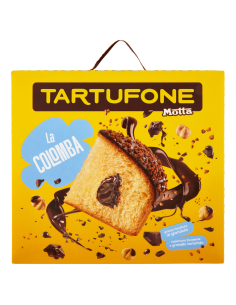
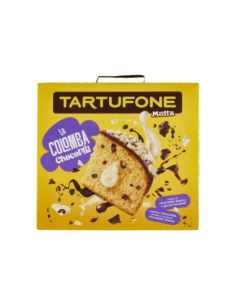
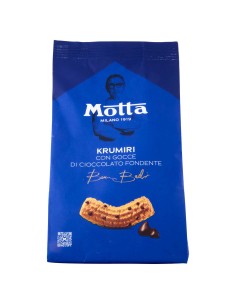
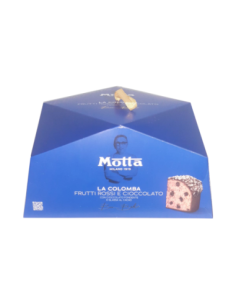
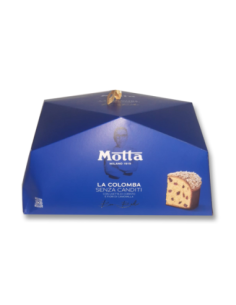
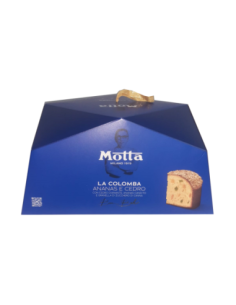
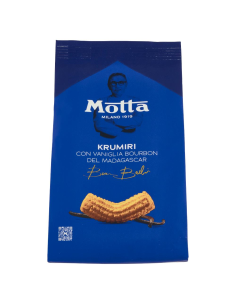
The Easter tradition is represented by the Colomba, a soft cake with a crunchy glaze and a recipe faithful to the original version. Here too, the connection with the territory is strong, thanks to the choice of candied fruit and ingredients sourced from Italian supply chains. For everyday breakfast, Cookies offer a range that combines classic biscuits with innovative variations, such as the famous Krumiri, made with Madagascar vanilla and selected flour. These cookies, characterized by their stick shape and buttery texture, are ideal for breakfast or to accompany an afternoon tea.

Speaking of breakfast and confectionery tradition, one cannot overlook the nutritional and cultural value that baked goods carry with them. In content dedicated to the comparison of leavened desserts, the symbolic meaning and composition of Christmas products are analyzed, as explained in the context of panettone and its variations. On the other hand, the value of reuse and sustainability emerges in dialogue with the blog, which reflects on how to reduce waste and make the most of leftovers creatively. The theme is particularly relevant in the post-Christmas period, when attention shifts to alternative recipes and food reuse, often linked precisely to pandoro.

A curious detail of history is represented by the legendary Bar Motta, opened in 1928 in Milan’s Galleria Vittorio Emanuele II. This place, which became a cultural crossroads for artists and intellectuals, represented for years a model of elegant and accessible café culture, ahead of its time in the conception of leisure and urban consumption. But it is not the only significant anecdote: in 1954 launched the Buondì, considered the first industrial Italian snack cake, marking the beginning of a new era of domestic consumption. In the 1990s, the brand was also the official sponsor of the AC Milan team, strengthening its bond with national identity and popular culture.

The visual evolution of the brand is equally fascinating. From the classic red and gold colors of its first packaging, went through phases of restyling culminating in 2024 with a major project by the agency Arteficegroup. The new design, refined and minimal, enhances its Milanese origin (with the wording “Motta Milano 1919”) and integrates visual elements inspired by the Duomo and rationalist architecture. The presence of Bruno Barbieri adds a contemporary gastronomic touch, transforming the packaging into a manifesto of premium quality. Moreover, all the new wrappings are recyclable or compostable, testifying to the group’s environmental commitment.

In compliance with international standards, is ISO 9001:2015 certified for quality control, guarantees the absence of GMOs, and uses approved materials for food contact. The supply chain is transparent and continuously monitored by independent bodies, safeguarding consumers and the brand’s reputation. These certifications make the brand a virtuous example in the European confectionery landscape.

Today manages to perfectly combine the richness of Italian confectionery tradition with growing attention to sustainability, innovation, and modern taste. Each product is designed to be part of Italians’ daily lives, whether during the holidays or in the simplicity of breakfast. From Cookies to Colomba, from the soft Pandoro to the classic Panettone, every preparation tells a story of quality, research, and passion. And it is precisely this ability to unite different generations around the table, with authentic and recognizable flavors, that makes one of the most beloved brands of Italian food tradition.

Quality

MOCA certification – Safety of materials in contact with food

Complies with the certification MOCA (Materials and Objects in Contact with Food), mandatory for the food sector. All packaging comply with European requirements regarding safety, migration and hygiene, ensuring that there is no contamination between packaging and product. This attention translates into quality and protection for products such as panettone, pandori and biscuits.

ISO 9001:2015 – Quality certification of production processes

Is certified according to the ISO 9001:2015 standard, an international standard that guarantees quality management systems applied to the entire production cycle. This certification attests to continuous control over processes, from the selection of raw materials up to the packaging of products such as panettone, pandoro and biscuits, with the aim of satisfying high standards of reliability and safety.

FAQ

The panettone was born in 1919 in Milan thanks to Angelo Motta, who revolutionized it with a natural leavening and the shape a high dome. This innovation marked the birth of modern panettone, which has become a symbol of the Italian Christmas tradition.

The Pandoro is made with butter, fresh eggs, millefiori honey and Madagascar Bourbon vanilla. The recipe was reinterpreted in 2024 by chef Bruno Barbieri to offer an even softer consistency and a refined taste, keeping tradition intact.

Yes, biscuits are perfect for breakfast: available in different variations, from classics to Krumiri with Bourbon vanilla, they are made with selected ingredients and GMO-free. They have an ideal texture for soaking and are meant to offer taste and simplicity every morning.

Today is part of the Gruppo Bauli and its products are made in certified Italian factories, with attention to environmental sustainability and controlled quality. The historic headquarters of the brand remains Milan, but production extends between Veneto, Lombardy and other strategic centers of the group.

Products

Product added to wishlist