Lo Conte flours

Founded in the early twentieth century in Irpinia by the Lo Conte family with founder Antonio. In 1980, strategic repositioning transformed flour from a commodity to specific products, creating the Le Farine Magiche brand. Today, Italy leads the way in special flours, with over 350 references.

Organic Decorì Sourdough, Chickpea Flours, Chestnuts and Rice: Specialties since 1900

Lo Conte Group was born in early twentieth century in Irpinia when ancestor Antonio Lo Conte started cereal activity that in century's second half evolved toward wheat processing and flour production serving local market through traditional stone milling preserving whole grain nutritional properties compared to modern industrial mills separating germ and bran producing refined white flours poor in fiber and vitamins. In eighties company faced crisis when flour market became increasingly competitive with large industrial groups selling standardized commodities at very low prices small artisan mills could not match risking being crushed by scale economies favoring mass productions.

In 1980 arrived strategic repositioning saving company when president Antonio Lo Conte decided to transform flour from undifferentiated commodity to specialized product for specific uses creating Le Farine Magiche brand. This intuition revolutionized sector introducing concept of calibrated blends for particular recipes instead of selling generic 00 flour consumers had to adapt empirically through trial and error not knowing if disappointing results depended on unsuitable flour or execution errors. New special flours were formulated for pizza, sweets, frying, bread with clear packaging indications guiding use guaranteeing consistent results even to inexperienced cooks who following instructions obtained performance comparable to expert professionals knowing trade tricks.

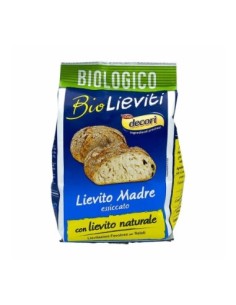
Organic Dried Sourdough Decorì from sweet ingredients line allows using natural yeast without having to maintain live culture requiring daily refreshments with flour and water to nourish lactic bacteria and wild yeasts that would otherwise die, commitment professional bakers dedicate but normal families cannot sustain. Drying stabilizes microorganisms in dormant form reactivating when rehydrated with warm water resuming fermentative activity after few minutes instead of days necessary to start culture from scratch starting from flour and water hoping right bacterial species spontaneously colonize dough.

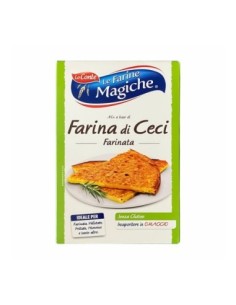
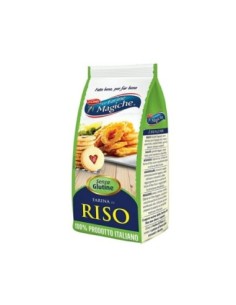
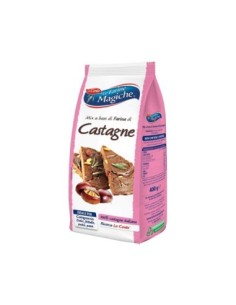
Chickpea Magic Flours for Farinata are specific blends for Ligurian specialty requiring exact proportions between chickpea flour, water, oil and salt plus prolonged dough rest for complete hydration of ground legumes slowly absorbing liquids releasing starches that during high-temperature oven baking create crispy crust above and creaminess below. Chestnut Flour is obtained grinding dried chestnuts that traditionally in Apennine mountain areas replaced cereals when poor harvests for bad years were not enough to feed peasant families integrating with freely collected forest fruits. This sweetish gluten-free flour requires mixing with wheat flours to obtain structure holding leavening otherwise doughs collapse during baking not having gluten network trapping gases produced by yeasts. Rice Flour is gluten-free alternative for celiacs who cannot consume wheat, barley, rye containing this protein triggering autoimmune reactions damaging intestinal villi absorbing nutrients causing malnutrition if diet is not rigorously controlled eliminating even minimal contaminations.

Fun fact: Comunità Risciola project recovers Irpinia indigenous ancient grains through sustainable cultivation and short supply chain involving local farmer network preserving traditional varieties at extinction risk because lower yields compared to modern grains genetically selected for maximum productivity sacrificing nutritional qualities and natural pest resistance ancient varieties possessed adapting during centuries to specific territories. In 2013 acquired Molino Vigevano historic brand founded in 1936 relaunching it with new plant and logistics platform on A7 highway for national and European expansion requiring distributive efficiency serving geographically distant customers with fast deliveries small regional mills cannot guarantee. In 2018-2019 campaign with Saatchi & Saatchi repositioned Le Farine Magiche through multi-channel planning with TV, radio, web, social and maxi-billboards in Milan, Naples and Salerno communicating claim "Well made, to do well" emphasizing ingredient quality and guaranteed results.

Lo Conte Lab is internal laboratory conducting chemical-physical analyses validating quality standards through tests on parameters like flour strength (W), proteins, ashes, humidity determining dough behavior during processing and baking allowing scientific formulations instead of artisan approximations based on empirical experience working but not industrially replicable. Today company declares over three hundred fifty references among special flours, blends, ingredients and accessories positioning as first player in special and mixed flours in Italy and fourth in total flour market according company data testifying specialization strategy success against commodity that saved family mill from extinction transforming it into leading group innovative segment created from scratch educating consumers to specific-use flour concept previously nonexistent when only generic 00 flour adaptable to everything with variable results was purchased.

quality

Sustainability and the Risciola Community

The Risciola Community project recovers ancient grains native to Irpinia through sustainable cultivation and a short supply chain, involving a network of local farmers who preserve traditional varieties at risk of extinction because they yield lower yields than modern grains genetically selected for maximum productivity. These ancient varieties possess superior nutritional qualities and natural resistance to pests developed by adapting over centuries to specific territories without requiring chemical pesticides that modern cultivars require, being genetically uniform and therefore vulnerable. The territorial short supply chain reduces transport emissions by supporting the Irpinia rural economy which would otherwise see the abandonment of marginal mountain lands not competitive with intensive agriculture, plains where mechanization and irrigation allow multiple yields but degrade soils and pollute groundwater. The acquisition Molino Vigevano 2013 relaunches the historic 1936 brand with a new plant and A7 logistics platform for national and European distribution efficiency that small regional mills do not guarantee. The 2018-2019 campaign with Saatchi & Saatchi uses multi-channel planning (TV, radio, web, social, large billboards Milan Naples Salerno) communicating quality ingredients and guaranteed results through the claim "Done well, to do well" which educates consumers of special flour values.

Innovation and the Lo Conte Lab

The Lo Conte Lab is an in-house laboratory that conducts chemical-physical analyses validating quality standards through tests on parameters such as flour strength (W measured with a Chopin alveograph), protein content, ash, humidity, dough development time and stability which determine behavior during processing and baking. These scientific controls allow for precise formulations instead of handcrafted approximations based on empirical experience that work locally but are not industrially replicable on a large scale with the consistent results required by GDO and industry. continuous research and development generates an innovative pipeline with over 350 references including specialty flours, blends, ingredients and accessories that cover every home and professional need from baking to pastry to frying. The repositioning 1980 transforms flour from an undifferentiated commodity to a specialized product for specific uses by creating the Le Farine Magiche brand, which introduces the concept of calibrated mixtures with clear indications for guiding packaging and use, ensuring consistent results even for inexperienced cooks. The leadership segment specialty (first player special/mixed flours Italy, fourth total flour market) testifies to the success of the differentiation strategy against commodity that saved the family mill from extinction.

FAQ

The Group was born in the early twentieth century in Irpinia when its founder Antonio Lo Conte started a cereal business which in the second half of the century evolved towards wheat processing and flour production through traditional stone milling. In 1980 came strategic repositioning which saved the company from the crisis by transforming flour from an undifferentiated commodity to a specialized product for specific uses by creating the Le Farine Magiche brand which introduced the concept of calibrated mixtures. In 2013 it acquired Molino Vigevano, a historic brand founded in 1936, relaunching it with a new factory and logistics platform on the A7 motorway for national and European expansion. In 2018-2019, a campaign with Saatchi & Saatchi repositioned Le Farine Magiche through multi-channel planning with TV, radio, web, social media, and large billboards, communicating "Done well, to do well." Oggi declared over 350 references, positioning itself as the first player of special/mixed Italian flours and the fourth largest flour market in total, demonstrating its successful differentiation strategy.

The Risciola Community is an initiative to recover ancient grains native to Irpinia through sustainable cultivation and a short supply chain by building a network of local farmers who preserve traditional varieties at risk of extinction. These ancient grains have lower yields than modern varieties genetically selected for maximum productivity, so farmers abandon them in favor of commercial cultivars that generate more income per hectare. However, traditional varieties possess superior nutritional qualities with more proteins, minerals and fibres as well as natural resistance to parasites developed by adapting over centuries to specific territories without requiring chemical pesticides that modern ones require, being genetically uniform and therefore vulnerable. The short territorial supply chain reduces transport emissions by supporting the rural economy of Irpinia by avoiding the abandonment of marginal mountain lands that are not competitive with intensive agriculture, plains but valuable for biodiversity and hydrogeological protection that abandoned forests do not guarantee. The project is told through local RAI TV services and media content that communicate values of sustainability and recovery of agricultural traditions that modernization had erased by standardizing productions.

The Dried Mother Yeast must be rehydrated with warm water (about 25-30 degrees), mixing until completely dissolved before adding it to the dough according to proportions indicated on the package which vary according to the type of preparation. Dried microorganisms in dormant form reactivate when hydrated by resuming fermentative activity after 10-15 minutes instead of the days required to start culture from scratch starting from flour and water. This eliminates the need to maintain live culture which requires daily refreshments with flour and water to feed lactic acid bacteria and wild yeasts otherwise they would die, a commitment that professional bakers dedicate but normal families cannot support having to remember to eat sourdough even when they are not baking. natural leavening takes longer than chemical brewer's yeast (6-12 hours vs. 1-2 hours) but develops greater aromatic depth and digestibility because prolonged fermentation pre-digests gluten and complex carbohydrates that otherwise ferment in the colon causing bloating. Bread with sourdough starter keeps for several days maintaining softness while bread with stale chemical yeast after 24 hours losing palatability requiring immediate consumption or freezing.

Yes, Rice Flour is naturally gluten-free and therefore suitable for celiacs who cannot consume wheat, barley, rye, spelt containing this protein which triggers autoimmune reactions by damaging intestinal villi. However, since gluten-free there is no protein network that traps gases produced by yeasts, giving the doughs an elastic structure. Therefore, it must be mixed with other binding ingredients such as xanthan gum, guar gum or potato starch which partially replicate the gluten function. separate processing in dedicated plants or carefully cleaned lines prevents cross-contamination with glutinous flours which even in minimal trace amounts (a few milligrams) cause symptomatic reactions in sensitive subjects by requiring gluten-free certifications verifying absence below 20 ppm. The specific recipes for gluten-free flours require different liquid proportions because water absorption varies compared to wheat flours and leavening times are lengthened by not having a glutinic structure that effectively retains gas, adaptations that Lo Conte packaging indicates by guiding use for optimal results. celiac disease affects approximately 1% of the population, but many more suffer from non-celiac gluten sensitivity, experiencing gastrointestinal symptoms without autoimmune intestinal damage while still benefiting from gluten-free diets that reduce chronic inflammation.

products

Showing 1-9 of 9 item(s)
Product added to wishlist