Negroni Cured Meats

Since 1907 in Cremona, the company has produced excellent Italian cured meats recognizable by the historic Stella: from the iconic Negronetto to DOP hams, up to cotechino and zampone, protagonists of Italian Christmas holiday tables.

Cotechino, Zampone, and Negronetto: Italian Tradition since 1907

In the heart of Cremona, a city that symbolizes Lombardy’s charcuterie tradition, Salumi Negroni was founded in 1907 when Pietro Negroni, together with his brother, started what would become one of the most iconic names in Italian delicatessen. The “Società di fatto Pietro Negroni e Fratello” laid the foundation for a company that would span more than a century of history, evolving from a small artisanal workshop into a national benchmark for quality and innovation. In 1922, its formalization as “Società Fratelli Negroni” marked the transition to a structured industrial enterprise, with integrated dairy and pig farming operations supporting cured meat production, ensuring full supply chain control from the very beginning. During the 1920s, the company adopted the Star as its distinctive symbol — a mark that would become the iconic element of all brand communications and the seal of quality recognized by generations of Italian consumers. This star emblem is not just a graphic design; it represents a constant promise of quality that accompanies every product — from PDO specialties to aged salami, from cooked hams to fresh sausages meant for festive tables.

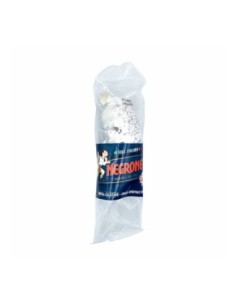
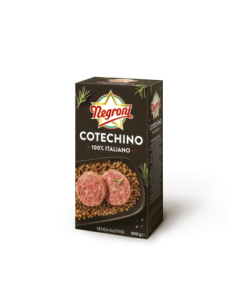
The brand’s innovative spirit emerged strongly in 1931, when Paolo Negroni attended the Nice Fair and, faced with a ban on slicing salami for tasting, invented the Negronetto Italian Salami, Italy’s first branded pocket-sized salami, measuring just fourteen centimeters in length. This revolutionary format was born from a practical need but became an icon of modern consumption, anticipating by decades the “on-the-go” snack concept applied to quality charcuterie. The Negronetto preserves the traditional Cremonese salami’s organoleptic profile while making it practical, portable, and perfect for enjoying during an outing, lunch break, or casual gathering — all without the need for slicing. The company’s international outlook was already evident in 1939 with its participation in the New York World’s Fair, a testament to global ambition and quality that transcended national borders. The 100% Italian Cotechino is one of the brand’s most emblematic offerings tied to national holiday traditions: this fresh sausage, made from selected pork meat and rind and encased in natural casing following the recipe of Cotechino Modena PGI, is traditionally served on New Year’s Eve with warm lentils — a symbolic dish that, according to popular belief, brings prosperity and good fortune for the new year, as the shape of the lentils resembles small gold coins.

Alongside the cotechino, the 100% Italian Zampone completes the range of festive pre-cooked specialties, using the same blend of fine meats but encased in the skin of the pig’s front leg, giving the product its characteristic shape and a richer texture thanks to the natural gelatin released during the long cooking process. Both specialties embody the essence of Italian Christmas traditions, when families gather around the table to celebrate the transition between the old and the new year with dishes full of symbolic meaning and time-honored flavors. Modern simplified preparation, with pre-cooked products that only require reheating, has made these specialties accessible even to those without traditional cooking skills, while preserving their authentic flavor and emotional connection to festive rituals. During Christmas Eve dinner or New Year’s lunch, cotechino and zampone pair perfectly with a glass of robust red wine or sparkling wine, which cut through the richness of the meats and enhance their savory notes, creating harmonious taste experiences that elevate both the dish and the drink.

The brand’s range extends far beyond festive products, embracing the full excellence of Italian charcuterie with the 100% Italian Gran Crudo Prosciutto, available in the prestigious Parma PDO and San Daniele PDO versions, produced in the historic facilities of their respective regions of origin. There, master ham-makers follow strict regulations that ensure long curing times, intense aromas, and that signature sweetness typical of Italy’s finest dry-cured hams. The 100% Italian Gran Cotto Prosciutto from the “Alta Qualità Stella” line represents excellence in cooked ham, made exclusively from Italian pork legs processed using methods that preserve tenderness, balanced savoriness, and that velvety texture appreciated both in sliced deli meats for sandwiches and in more elaborate culinary preparations. To complete a quality charcuterie board or enrich an Italian-style appetizer, these hams pair beautifully with aged cheeses such as Parmigiano Reggiano, flavorful pecorinos, or fresh goat cheeses, creating contrasts and harmonies that enhance the organoleptic qualities of every component.

Fun fact: during the 1960s and 1970s, the brand became a major protagonist of Italian television advertising thanks to the famous jingle “Le stelle sono tante, milioni di milioni...” (“There are so many stars, millions and millions...”), which entered the collective imagination as one of the most enduring and recognizable slogans in the history of national TV. Appearances on *Carosello* with Ugo Tognazzi in the series “Lo sceriffo della Valle d’Argento” created an indissoluble link between the brand’s Star logo and the sheriff’s badge, playing on an ironic and memorable double meaning that tapped into the popularity of the western genre at the time. Particularly touching is the fact that Tognazzi had actually worked for the company in his youth, bringing a sense of authenticity and genuine affection to his television sketches — qualities that clearly emerged in his performances and contributed to the campaign’s success. Among the most daring visual icons of Negroni’s historical advertising is the poster featuring dancer Josephine Baker “dressed” artistically in slices of salami — an image later revisited on the 2011 commemorative label celebrating eighty years of the Negronetto, accompanied by promotional campaigns that offered vintage Lambrettas and Fiat 500s as prizes to celebrate the Italian spirit of the brand’s golden age.

Today, as part of the Veronesi Group — one of Italy’s leading agri-food players — the brand ensures the highest production standards with international certifications such as the BRC Global Standard for Food Safety and IFS Food, guaranteeing rigorous control across the entire supply chain, from supplier selection to final distribution. Its industrial network includes facilities strategically located in the most prestigious PDO and PGI areas: San Daniele in Friuli for Friulian prosciutto crudo, Tizzano Val Parma for Parma ham, and Zibello for Culatello and other Parma specialties, ensuring that every product is crafted in the very territory that preserves its centuries-old tradition. The company’s mission revolves around bringing the best of Italian charcuterie to the world, built on three inseparable pillars: artisanal tradition handed down through generations, certified quality of raw materials, and the immediate recognizability of the Star as a seal of guarantee. Its core values are authentic Italian identity, innovation in communication and consumption formats without betraying the soul of the product, and a unique ability to transform food rituals into moments of emotional sharing that span generations. From the New Year’s table with steaming cotechino and golden lentils to the summer aperitivo with a Negronetto in your pocket during a stroll, the brand accompanies Italians in everyday life and festive occasions with the same consistency and reliability that only over a century of history can provide.

quality

DOP and IGP denominations

The products comply with the specifications of the designations of protected origin: Prosciutto di Parma DOP and San Daniele DOP produced in the historic factories of the respective areas, Mortadella Bologna PGI and Cotechino Modena PGI following certified traditional recipes. The factories are strategically located in San Daniele, Tizzano Val Parma and Zibello to ensure that each specialty is born in the territory that preserves its centuries-old tradition, under constant control of the Protection Consortia.

International Certifications Veronesi Group

Membership in the Veronesi Group guarantees international BRC Global Standard for Food Safety and IFS Food certifications that ensure rigorous control over the entire supply chain, from supplier selection to final distribution. The quality management system continuously monitors raw materials, production processes and logistics, with particular attention to the non-GMO feed supply chain and traceability protocols that ensure food safety and compliance with the highest standards.

FAQ

Cotechino Modena PGI is made from selected pork and rind stuffed into natural casings, while Zampone Modena PGI uses the same dough but is stuffed into the skin of the pig's forelimb, giving it a characteristic shape and richer texture thanks to the natural gelatine that releases during cooking.

The brand was born in 1907 in Cremona when Pietro Negroni started the "Società de facto Pietro Negroni e Fratello" together with his brother, transforming in 1922 into Società Fratelli Negroni with integrated activities between dairy and pig farming to support the production of cured meats.

Italian tradition calls for cotechino or zampone with lentils on New Year's Eve as a sign of prosperity: the shape of the lentils resembles small gold coins, a symbol of wealth. During the Christmas Eve dinner and New Year's lunch, these specialties are served hot, often accompanied by mashed potatoes, mustard, and full-bodied red wines that enhance the saltiness of the meats.

The Negronetto was invented in 1931 at the Nice Fair by Paolo Negroni to circumvent the ban on slicing salami: the first branded pocket salami in Italy, fourteen centimetres long, predates the concept of on-the-go snacks by decades while maintaining the organoleptic profile of traditional Cremonese salami.

products

Product added to wishlist