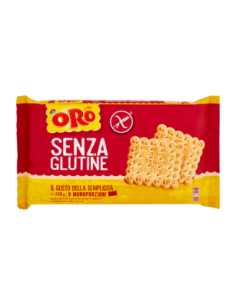
New Biscuits Saiwa Oro Saiwa Gluten-Free - 200 gr Saiwa GA077 €4.60 Discover the irresistible crispy texture and unique taste of Oro Saiwa Gluten-Free biscuits. The Saiwa brand brings you a genuine and uncompromising experience: crunchy gluten-free biscuits, perfect to satisfy your sweet cravings at any time of the day. Packaged in convenient 200g portions, Oro Saiwa Gluten-Free biscuits are the ideal solution for those... -+ Add to Box
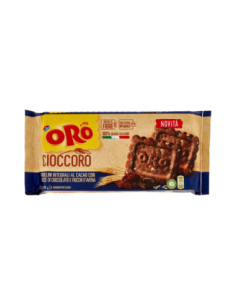
New Biscuits Saiwa Whole Wheat Cocoa Biscuits with Chocolate Drops - 300 g Saiwa BA213 €4.65 Delicious whole wheat cocoa cookies with chocolate chips, for a tasty and nutritious break. Oro Saiwa Cioccoro are crunchy and intensely flavored, perfect to enjoy at any time of the day. Ideal to always have a healthy and appetizing alternative on hand to satisfy your sweet cravings. Indulge in the goodness of Oro Saiwa cookies, made with quality... -+ Add to Box
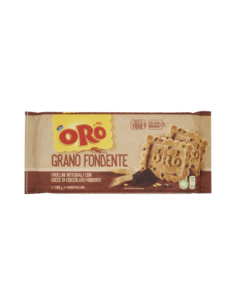
New Biscuits Saiwa Saiwa Gold Wholemeal Crackers with Dark Chocolate Drops - 300 gr Saiwa BA212 €4.65 Indulge your palate with whole grain Oro Saiwa Grano biscuits with dark chocolate chips. An irresistible mix of crunchy whole grain and pieces of dark chocolate that will win you over at the first taste. Ideal for a delicious break at any time of the day. Taste the goodness and crunchiness of Oro Saiwa biscuits and let yourself be won over by their unique... -+ Add to Box
New Chips and Snacks Cipster Chips Multipack 6 pcs - 132 gr Saiwa BF029 €3.75 Movies with subtitles? Don't get bored, but let yourself be carried away by the unique taste of Cipster. The light and crunchy snack, also available in the convenient 132g Multipack format. Add a twist to dull moments, whenever you want! -+ Add to Box
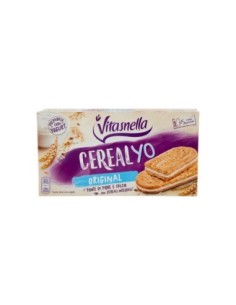
New Biscuits Oro Saiwa Vitasnella CerealYo - 253 g Saiwa BA172 €3.95 Make your snack even more delicious and healthy with Oro Saiwa Vitasnella CerealYo, the perfect biscuits for a tasty protein break. These delicious biscuits are enriched with cereals and protein, offering you an irresistible combination of taste and well-being. Feel their crunchy texture and the enveloping flavour of cereals, while enjoying the benefits... -+ Add to Box
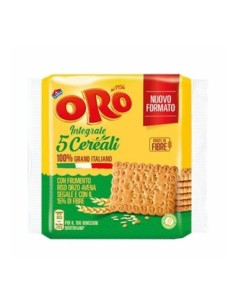
New Biscuits Oro Saiwa Whole Grain Biscuit with 5 Cereals - 420 g Saiwa BA169 €4.35 Immerse yourself in the crunchy taste of Oro Saiwa Whole Grain 5 Cereal biscuits, the perfect solution for a tasty and nutritious break. These biscuits combine the goodness of whole grains with the fun of a mix of 5 selected cereals. Feel their fragrant texture and be enveloped in their rich, inviting flavours. Oro Saiwa Whole Grain 5 Cereal biscuits are... -+ Add to Box
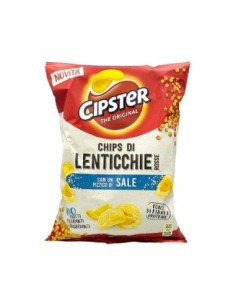
New Chips and Snacks Red Lentil Cipster - 80 g Saiwa BF065 €2.85 There are many types of chips but you only love and are loyal to the Cipsters. You must try the new additions to the Cipster family now: red lentil chips with a pinch of salt! Crispy and super tasty! -+ Add to Box
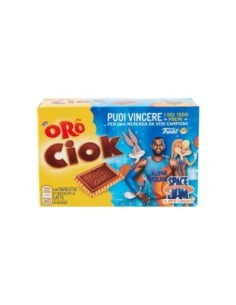
New Snacks Saiwa OroCiok Milk Chocolate 10 pcs - 250 gr Saiwa BG038 €4.35 Around 4 PM, an atrocious doubt plagues all students and workers. Snack with a biscuit or a piece of chocolate? The biscuit you can dunk in your cup of coffee, obligatory to lift you up and continue what you have to do. Chocolate though, well it's chocolate! But why choose when with OroCiock by Saiwa you can have both? In the format of 10 portions already... -+ Add to Box
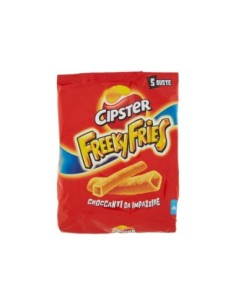
New Chips and Snacks Cipster Freeky Fries Multipack 5 pz - 132 gr Saiwa BF028 €4.79 They look like empty french fries inside, but better to collect some good cream like hell! These crunchies are indeed the most powerful right arm you have ever known, a guarantee in any circumstance! Like when you are on the couch with your sweetheart and you want something tasty. And well, if you are a man, you get up to be a knight, and you take out the... -+ Add to Box
New Chips and Snacks Cipster 100% - 85 gr Saiwa BF027 €2.49 Movies with subtitles? Don't get annoyed, but let yourself be carried away by the unique taste of Cipster. The light and crunchy snack to give a twist to the most boring moments, whenever you want! -+ Add to Box
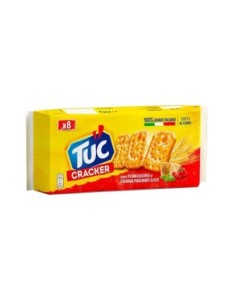
New Crackers and Rice Cakes Tuc Cracker with Tomato and Grana Padano - 250 gr Saiwa BF026 €3.45 After all, they are already split so that you can enjoy them at their best, and when you break them, they go tuc! Do they tell you anything? You don't expect us to believe you! We see you very well as the recess bell rings! You stand up with your mates and take the door like a bolt of lightning, not to miss a second.... Yes, you do miss a second, but it... -+ Add to Box
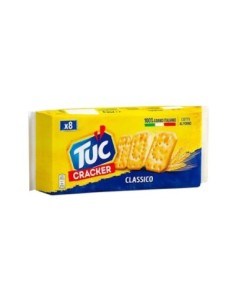
New Crackers and Rice Cakes Tuc Cracker - 250 gr Saiwa BF024 €3.45 Knock knock... Maybe you mean TUC TUC! Like the irresistible Crackers with their salty-sweet taste and perfect crunchiness. Open the door to taste, with Tua Crackers your break tastes different! -+ Add to Box
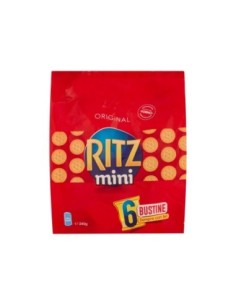
New Chips and Snacks Ritz Mini Multipack 6 pcs - 240 gr Saiwa BF023 €4.95 You and your friends are having your chat. You may be drinking something and someone is getting a little hungry. So, someone stands up and says: I'm hungry! But you are the homeowner, so you do the honors. You get up and go straight to the right spot, where you know the package of goodies that will make your friend happy is located, without forgetting the... -+ Add to Box
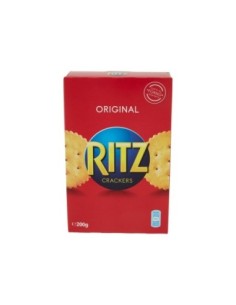
New Chips and Snacks Ritz Crackers - 200 gr Saiwa BF022 €2.95 New city? Don't worry, with the iconic Ritz Crackers in the convenient 200g format, you always bring with you the unmistakable taste of afternoons with friends! Ritz, always with you to give you the right boost. -+ Add to Box
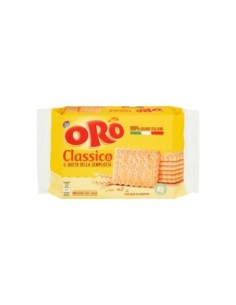
New Biscuits Oro Saiwa - 250 gr Saiwa BA057 €2.19 Quiz: what is the first packaged biscuit in Italy? Don't worry, I'll help you: since 1956, Oro Saiwa has been bringing the tradition of fragrant, hot-packed biscuits to the table, with the perfect dunk. And you, did you know? -+ Add to Box