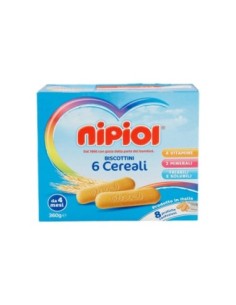
Homogenized and Nipiol Biscuits

Since 1966 Nipiol has accompanied the weaning of Italian children with simple recipes and selected ingredients, producing homogenized biscuits and baby food in Italy without colorings and preservatives as per law.

Baby Food: from Birth in 1966 to Total Restyling in 2022

In the landscape of Italian baby food, few stories can boast a legacy as long as that of Nipiol, which began in 1966 with a project destined to enter the homes of millions of families. The brand was built around a simple yet powerful principle: making weaning accessible through genuine recipes and carefully selected ingredients, eliminating the superfluous and focusing on what truly matters. In the 1970s and 1980s, the brand cemented its presence in the collective memory through television campaigns that became part of popular culture, such as the 1971 biscuit commercial featuring the famous canary, or the 1982 baby food ad that conveyed tenderness and reassurance to parents of the time. This ability to speak directly to the hearts of families allowed the company to take root deeply in Central and Southern Italy, where brand awareness remains very high even today. The production plant in Latina represents the beating heart of the Italian supply chain, ensuring that domestic production remains one of the key value pillars communicated to families: controlled ingredients, certified processes, and compliance with the strict standards set by baby food regulations.

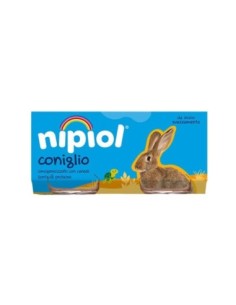
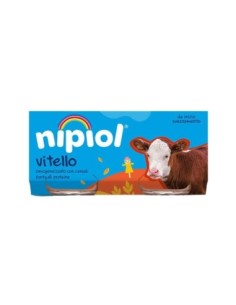
The complete product range accompanies children from their very first meals to snacks, covering every stage of weaning with options designed to gradually educate the taste buds of the little ones. Among the most appreciated products is the rabbit baby food, a lean and delicate protein ideal for introducing meat into an infant’s diet, characterized by a neutral flavor that makes it easier for babies to accept. Alongside it is the veal baby food, a natural source of iron and high-quality proteins essential for growth, prepared using recipes that preserve the nutritional value of the raw ingredients. The preparation of baby foods follows processes that ensure microbiological safety and a texture suitable for each age, with no added colorants or preservatives, in full compliance with Italian legislation on infant nutrition.

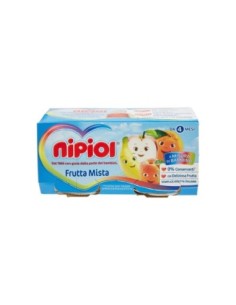
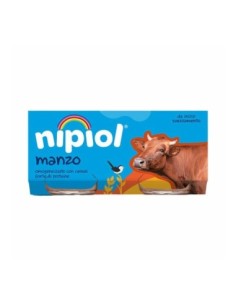
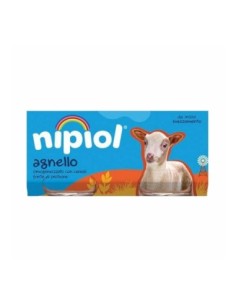
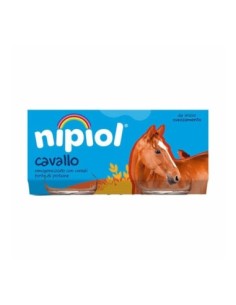
In 2022, the brand embarked on a radical transformation, entrusting Design Group Italia with a complete rebranding that redefined every aspect of its visual identity. The new logo features a soft, dynamic typeface inspired by a rainbow — a symbolic element that serves as a bridge between the brand’s past and future. The institutional sky-blue color replaces the previous tones, increasing shelf recognition and creating a more contemporary and reassuring visual impact. However, the most significant innovation concerns the illustrated packaging system: each package becomes a self-contained narrative episode, with over forty different subjects turning ingredients and characters into protagonists of small stories. On the front of the packaging, the logo, key ingredients, and engaging illustrations coexist, while the back includes curiosities and helpful tips for parents, extending the brand experience beyond the purchase itself and transforming every pack into an educational and entertaining tool.

The product range goes beyond baby food: the portfolio also includes 6-cereal biscuits, a practical and nutritious solution for snack time or breakfast. They are made with a blend of cereals that provide complex carbohydrates and gradual energy release — perfect for dissolving in milk or eaten as they are when the child starts developing chewing skills. The powdered milk is formulated to meet the specific nutritional needs of different age groups, from birth through the early years, ensuring a balanced intake of proteins, vitamins, and essential minerals for development. The rice cream, on the other hand, is one of the first semi-solid preparations ideal for starting weaning thanks to its digestibility and low allergenic potential, features that make it particularly suitable for the earliest months of introducing foods other than milk. This completeness of range reflects the company’s philosophy of supporting families through every stage of a child’s nutritional journey — from birth to food independence — with practical solutions that simplify parents’ daily routines without compromising nutritional quality.

Fun fact: the 2022 rebranding was born out of a very specific strategic need tied to Italian geography. While in Central and Southern Italy the brand enjoys strong recognition thanks to its historic presence and advertising investments in the 1980s and 1990s, in Northern Italy awareness levels were significantly lower. The restyling project was therefore conceived with a dual objective: to further strengthen performance in regions where the brand was already strong, while simultaneously gaining new market share in northern areas through a more impactful and modern look and feel. This “gradient strategy” represents an interesting case study in the Italian food marketing landscape, where it is rare to see repositioning efforts so clearly aimed at rebalancing the geographical distribution of brand awareness. Industry observers have described the result as one of the most creative relaunches in Italian mass retail in recent years, successfully combining historical heritage with contemporary language.

The company’s mission revolves around the concept of simplicity expressed in every aspect: simple choices of recognizable ingredients, recipes that enhance the natural flavor of foods without masking them, and preparations that are easy to use even for first-time parents. This philosophy translates into a transparent communication approach, where every element of the packaging tells the story and features of the product, helping parents make informed purchasing decisions. The absence of added colorants and preservatives is not merely a matter of regulatory compliance but has become a distinctive feature that reinforces the perception of genuineness and care for children’s health. In 2025, the company announced an agreement to sell the brand — along with other historic names in Italian baby food — to the NewPrinces group, with the closing scheduled for the end of the year. The agreement guarantees the operational continuity of the Latina production plant and the retention of more than three hundred jobs. This transition demonstrates the strength and commercial appeal of a brand that, after nearly sixty years of history, continues to represent a benchmark for Italian families seeking safe, nutritious products thoughtfully designed to support their children’s growth.

Quality

Italian Baby Food Compliance

The products strictly comply with specific Italian legislation for infant nutrition, guaranteeing the absence of added dyes and preservatives as required by law. Each reference is subjected to strict controls on raw materials, production processes and packaging in the Latina plant. The selected ingredients come from controlled supply chains that ensure complete traceability and high quality standards for the safety of the little ones.

Controlled National Production

Production takes place entirely in Italy at the Latina plant, the heart of the national supply chain which guarantees direct control over every phase of the process. The recipes follow principles of simplicity with recognizable ingredients, selected according to specific nutritional criteria for children. Food safety protocols ensure age-appropriate consistency and certified microbiological safety, responding to the needs of the different phases of weaning.

FAQ

The brand was born in 1966 as a project dedicated to infant nutrition, built around the principle of simplicity in recipes, ingredients and preparations, becoming over the years a point of reference for Italian families during weaning of children.

It is currently part of the Kraft Heinz group, although an agreement for the sale to NewPrinces Group was announced in 2025, with closing scheduled for the end of the year which will guarantee operational continuity of the Latina plant and maintenance of all jobs.

In 2022, a total rebranding was created with Design Group Italia: new logo with soft typography, sky blue institutional color and a proprietary illustrated packaging system with over forty subjects that transform each package into a narrative episode autonomous with ingredients and characters.

Yes, the brand boasts historical commercials that have entered the Italian collective imagination: the Nipiol biscuits of 1971 with the famous canary and the homogenized products of 1982 linked to the Buitoni era, evidence of the long presence of the brand in the memory of Italian families.

Product

Showing 1-9 of 9 item(s)
Product added to wishlist