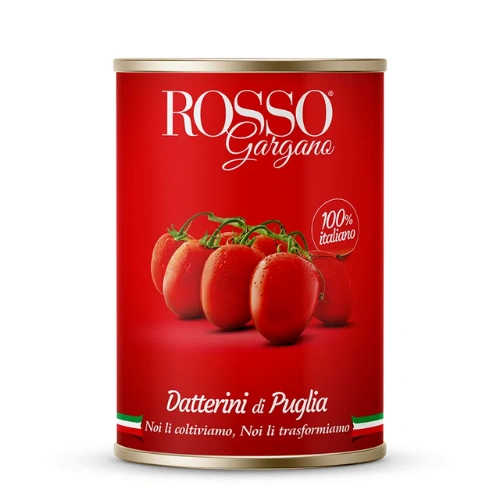
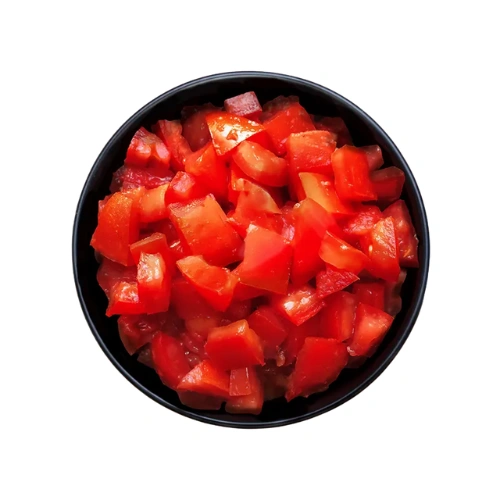
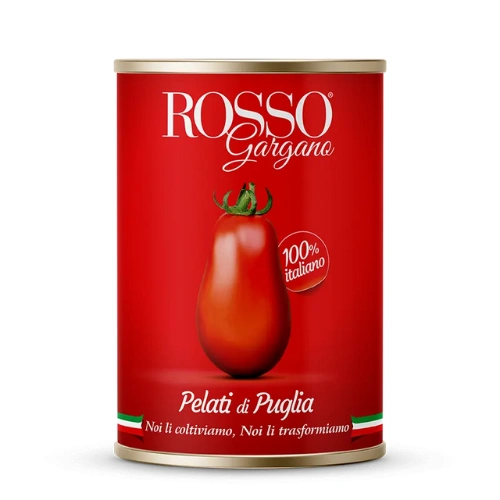
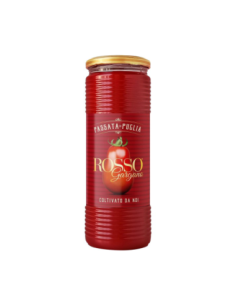
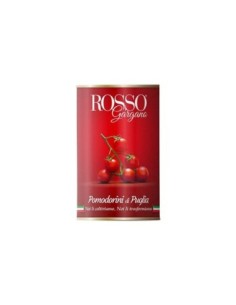
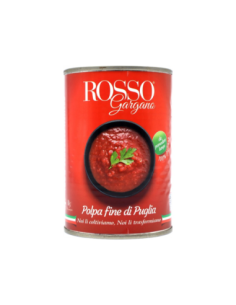
Completing the range are diced tomatoes for those seeking a balance between juiciness and bite, and concentrates that intensify bases and reductions. Among the specialties, the Datterini tomatoes from Puglia stand out, harvested at the right stage of ripeness to capture that harmony of sweetness and minerality that makes them perfect in a hot pan or raw on crostoni and seafood salads. Quick processing and varietal selection preserve their sensory characteristics, while agronomic field control oversees crop rotation and responsible water use. Water itself plays a key role in a fascinating experiment that highlights the brand’s innovative approach, with irrigation tests in coastal areas where, in certain plots, controlled salinity was used to study the effect on the consistency and savoriness of the datterino—an approach that reflects the constant search for the best balance between nature and technology. In a kitchen that seeks authenticity and practicality, these tomatoes pair beautifully with quality durum wheat pasta, because the right sauce finds its true expression when it meets the rough surface that holds it. In this sense, exploring pairings with pasta means embracing essential recipes such as spaghetti with tomato passata and basil, fusilli alla puttanesca where broken peeled tomatoes retain chunks of pulp, or orecchiette with sautéed datterini, turnip tops, and toasted almonds for a balance of sweet, bitter, and nutty flavors.
The story also weaves in themes dear to those who want to cook consciously, such as the importance of harvest timing, processing within a few hours, storage in glass or tin depending on usage, the origin of varieties, and the different behavior in cooking between passata, pulp, and whole fruits. The evolution of packaging in recent years responds to these informational needs, with labels that highlight cultivar and territory and formats suited both for domestic portions and professional requirements. The integration of efficient industrial processes with strong agricultural roots helps reduce waste and make use of every part of the fruit in a circular economy perspective, while energy choices and logistical optimization reduce the environmental footprint along the supply chain. At the table, all this work translates into a concrete result: intense aroma, bright color, and clear flavors that stand out at first taste. In quick sauces, the character of the passata shines when gently warmed with good oil and garlic; in slow cooking, peeled tomatoes provide regular bites that envelop without falling apart, while the datterino offers natural sweetness and pleasant persistence.
Even in cold dishes, from bruschetta to legume salads, canned tomatoes become a functional ingredient that balances acidity and richness, completing dishes with fresh cheeses, anchovies, and olives. Along its growth path, the brand has earned recognition at fairs and industry events, with attention to bottle design for sauces and compact pantry formats, confirming how aesthetics and functionality can enhance perceived quality. The role of certifications and traceability also makes it possible to meet the demands of the most discerning foreign markets, while keeping Apulian identity strong. When it comes to everyday cooking, Rosso Gargano becomes a tomato grammar that unites tradition and modernity, allowing for both the Sunday dish prepared with care and the last-minute sauce that respects the fruit’s original flavor. Knowing the characteristics of the different products helps in choosing the right texture and dosing the heat, so as to enhance the ingredient without overpowering it. In this balance between a controlled supply chain, informational transparency, and gastronomic vocation, the Apulian tomato finds a clear voice that brings together diverse tastes and cooking habits, offering every day a meeting point between land, technology, and flavor.
Find out how to receive Rosso Gargano products at your home!