Simmenthal Canned Meat

From authentic taste to new, less salty and lighter versions, has accompanied the Italian table with quality, practicality and innovation for over a century.

Meat in jelly, canned meat, less salt and tuna

The story of Simmenthal dates back to 1923, when Gino Alfonso Sada founded in Milan a brand destined to become an icon of the Italian table. The idea came from the intuition inherited from his father Pietro, who had already experimented in 1881 with meat in aspic as an innovative preservation method. The name was inspired by the prized Swiss Simmental cattle breed, chosen to convey an image of quality and authenticity. In the 1930s, production had already reached thousands of cans per day, and in the 1950s the Aprilia plant—still active today—became the brand’s production hub. Has not only been an industrial story, but also a true cultural phenomenon: television commercials with Walter Chiari and the sponsorship of Pallacanestro Olimpia Milano helped turn it into a symbol of family and conviviality. Today, under the Bolton Group, the brand continues to innovate without ever betraying its identity.

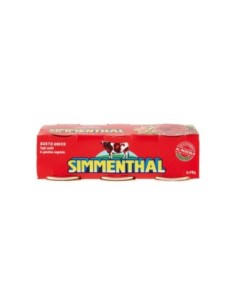
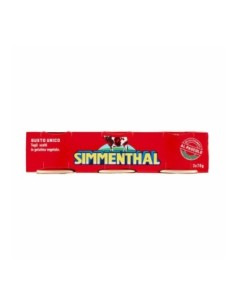
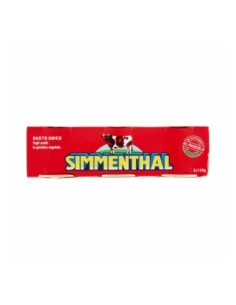
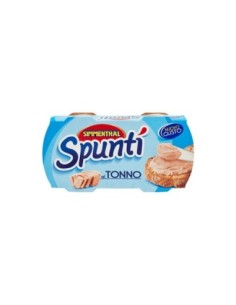
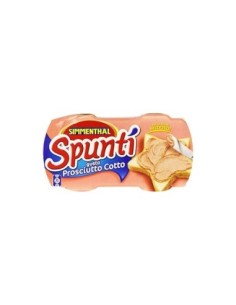
The product range has evolved over time while maintaining a connection with the original recipe of boiled beef in vegetable broth. The most representative product remains meat in aspic, offered in cans and characterized by its typical flavor that combines delicacy with convenience, ideal for enriching salads or summer cold dishes. Alongside this, the classic canned format is expressed in canned meat, which remains faithful to the idea of always having a ready, balanced, and versatile preparation at hand. Over the years, the brand has introduced variants designed to meet contemporary nutritional needs, such as Simmenthal less salt, with 26% less salt compared to the traditional recipe, created for those who want a mindful diet without sacrificing taste. Completing the range is an innovative product like tuna, which combines the convenience of canned fish with the expertise gained in the world of preserved meats.

The strength of the brand is also reflected in the design of its packaging. From the first metal cans with lithographed labels, over the years the brand has moved towards more practical solutions, such as the pull-tab opening introduced in the 1950s, up to limited editions with contemporary graphics and more sustainable materials such as FSC-certified cardboard. The aluminum chosen for the cans is not only functional in ensuring product preservation but also represents a conscious choice in terms of recyclability, aligned with the company’s sustainability strategies. The recent focus on design shows how packaging is not just a simple container, but a vehicle of values and innovation.

Within a varied dietary path, products easily fit alongside other Italian excellences. A can of meat in aspic, for example, can complete an appetizer featuring traditional cheeses or preserved vegetables, while the less salty versions pair well with more delicate foods such as fresh vegetables and legumes. Similarly, canned tuna evokes Mediterranean pairings that include pasta, extra virgin olive oil, and spices, enhancing a balanced approach to the daily diet. This ability to integrate into different contexts highlights the brand’s vocation to be not only a ready-to-eat product but also a versatile ingredient suited to multiple culinary interpretations.

One aspect that characterizes is its connection with Italy’s collective memory. During World War II, the cans were used as military rations, while in the postwar years their presence in family pantries became synonymous with modern convenience. Advertising communication played a decisive role: from “Carosello” to TV commercials, the brand has always portrayed an Italy in transformation, accompanying it with reassuring and familiar messages. The long sponsorship of the Olimpia Milano basketball team further reinforced this image, linking meat in aspic to the world of sports and leisure.

From a mission standpoint, aims for a balance between tradition and innovation. The company promotes a sustainable approach, with the goal of reducing environmental impact through the use of renewable energy at the Aprilia plant and the recycling of most of the waste produced. Participation in international sustainability forums for the beef sector, such as the Global Roundtable for Sustainable Beef, demonstrates a commitment that goes beyond the product and encompasses social and environmental responsibility. Animal welfare and the quality of raw materials remain at the core of the supply chain, with strict controls and high standards that guarantee safety and trust for consumers.

A unique curiosity lies in the brand’s very name. “Simmenthal” is not just a geographical reference, but embodies the desire to associate the product with a cattle tradition considered among the finest in Europe. This branding choice gave the brand an aura of prestige from the very beginning, strengthened by the consistency with which the recipe has been preserved. It is interesting to note how, more than a century later, meat in aspic continues to be perceived as a food with a distinctive taste, capable of evoking family memories while also adapting to new nutritional needs.

In conclusion, represents an emblematic example of how a historic brand can renew itself without losing its roots. From its birth in Milan to the most recent innovations in packaging and sustainability, its evolution reflects the history of Italian society. In the kitchen, canned or aspic meat is not just a practical solution, but an element that enriches everyday and convivial recipes. The ability to unite tradition and modernity, memory and innovation, makes a brand that continues to hold a special place in the gastronomic culture of our country, offering products that resonate with the tastes and habits of different generations.

Quality

ISO 14001 certification – Responsible environmental management

The producing group is certified ISO 14001 for environmental management, with concrete commitment to energy saving, reduction of waste and in’responsible use of natural resources. The plants follow controlled environmental protocols, contributing to the sustainability of the food supply chain.

IFS certification – Food safety and product traceability

Is produced in certified factories IFS (International Featured Standards), one of the most authoritative European standards for food safety and quality. This certification guarantees compliance with strict criteria for hygiene, traceability, microbiological control and process management, from the selection of meat to gelatin packaging.

FAQ

Yes, is generally considered safe during pregnancy because it is cooked and sterilized meat, stored in vegetable gelatin in box. However, it is always advisable to consult your doctor in case of controlled diets or specific needs related to the content of salt and additives.

It can be enjoyed on its own or accompanied with fresh condiments such as extra virgin olive oil, lemon, balsamic vinegar or herbs. Also excellent with potato salad, fresh tomatoes or grilled vegetables. The gelatin can be melted slightly to better blend the flavors.

Is consumed at room temperature or slightly cool. Simply open the package, remove the meat with the jelly and serve it directly on the plate. Does not require cooking. It is perfect for cold dishes, sandwiches or salads, or as a quick second course in summer.

Is made with selected beef, slowly cooked and stored in a vegetable gelatin based on flavored broth. The process involves can sterilization to ensure long shelf life without artificial additives. The original recipe, created in 1881 and perfected in 1923, has remained almost unchanged over time.

Products

Showing 1-8 of 8 item(s)
Product added to wishlist