Passalacqua coffee

Founded in 1948 in Naples by Samuele Passalacqua with a small roasting machine that roasted 5 kilograms of coffee every 20 minutes. The iconic logo features a little Indian licking his lips. Today, the company is managed by the fourth generation, selecting 14 coffee sources worldwide with a production capacity of 3,460 kilograms per hour.

Alambra, Espresso Bar Gold, Mehari and Mekico: Neapolitan Tradition since 1948

Passalacqua nasce nel 1948 a Napoli quando Samuele Passalacqua fonda una piccola torrefazione artigianale con una macchina capace di tostare solo cinque chilogrammi di caffè ogni venti minuti. Questa produzione limitata permetteva un controllo attento di ogni singolo lotto garantendo la qualità che sarebbe diventata il marchio distintivo dell'azienda nel panorama napoletano della torrefazione. Napoli ha sempre avuto un rapporto speciale con il caffè che arrivava nel porto dalla fine del Seicento quando i commerci marittimi portavano le prime balle di chicchi provenienti dalle colonie americane e africane. La città partenopea sviluppò una cultura del caffè unica in Italia dove l'espresso divenne simbolo di convivialità e pausa quotidiana condivisa al bancone dei bar.

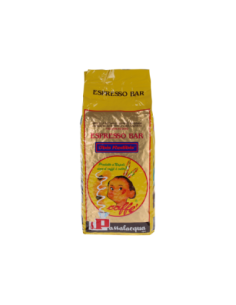
Il Caffè Macinato Alambra Gusto Pieno rappresenta la miscela più corposa del catalogo Passalacqua combinando arabica e robusta per creare un profilo aromatico intenso con note di cioccolato e frutta secca. La tostatura scura tipica napoletana sviluppa oli essenziali che conferiscono cremosità e persistenza in bocca distinguendo l'espresso partenopeo da quello delle altre regioni italiane dove si preferiscono tostature più chiare che esaltano acidità e note floreali. Il Caffè in Grani Espresso Bar miscela Gold viene usato nei bar professionali dove serve mantenere costanza qualitativa attraverso centinaia di erogazioni giornaliere senza che sapore e crema varino tra una tazzina e l'altra. La selezione dei chicchi e il bilanciamento della miscela richiedono esperienza accumulata attraverso decenni di prove e aggiustamenti per trovare il punto di equilibrio perfetto che soddisfi i palati napoletani notoriamente esigenti sul caffè.

Negli anni Cinquanta e Sessanta Passalacqua espande nel mercato locale diventando fornitore di riferimento per i bar storici di Napoli tra cui il famoso bar Mexico in Piazza Dante che ancora oggi serve il caffè della torrefazione. Questa presenza nei locali storici costruisce la reputazione del brand attraverso il passaparola tra napoletani che riconoscono immediatamente la qualità superiore del caffè Passalacqua rispetto alle miscele industriali standardizzate che iniziavano a invadere il mercato con prezzi più bassi ma qualità inferiore. La fedeltà dei clienti napoletani premia l'artigianalità e permette all'azienda di crescere organicamente senza dover compromettere gli standard qualitativi per inseguire volumi che avrebbero richiesto industrializzazione dei processi.

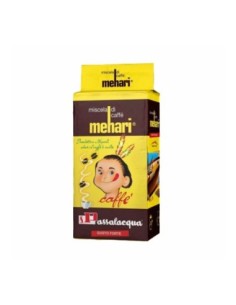
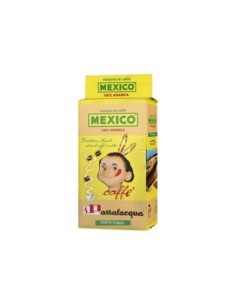
La Miscela di Caffè Mehari prende il nome dai dromedari del Sahara che trasportavano le carovane attraverso il deserto collegando l'Africa subsahariana al Mediterraneo lungo rotte commerciali millenarie dove il caffè viaggiava insieme a spezie, oro e tessuti. Questo nome evocativo richiama l'avventura e l'esotico delle origini del caffè che dall'Etiopia si diffuse prima nel mondo arabo e poi in Europa attraverso Venezia e i porti mediterranei. Il Caffè Macinato Mekico Gusto Tondo offre profilo più delicato ed equilibrato adatto a chi preferisce caffè meno amaro che si può bere anche senza zucchero apprezzando le sfumature aromatiche che tostature troppo spinte mascherano carbonizzando i chicchi. Questo caffè accompagna bene snack dolci durante la colazione quando serve bilanciare la dolcezza dei cornetti o dei biscotti senza creare contrasti troppo forti che stancherebbero il palato.

Curiosità: il logo del piccolo indiano che si lecca le labbra nasce da un momento spontaneo quando un bambino dopo aver assaggiato il caffè in torrefazione fece questa espressione di piacere genuino che Samuele Passalacqua colse come simbolo perfetto della bontà del prodotto. Questo logo divenne iconico rappresentando l'esperienza sensoriale unica del caffè napoletano che conquista al primo sorso. Negli anni Sessanta lo scrittore Mario Soldati citò Passalacqua su La Stampa contribuendo a diffondere la fama della torrefazione anche fuori dai confini napoletani presso un pubblico colto che apprezzava le eccellenze gastronomiche regionali italiane. Oggi l'azienda è gestita dalla quarta generazione della famiglia che ha espanso l'impianto produttivo a 5.750 metri quadri con capacità di 3.460 chilogrammi all'ora mantenendo però il controllo artigianale della qualità attraverso assaggi continui durante la tostatura.

Passalacqua seleziona quattordici origini di caffè nel mondo viaggiando personalmente nelle piantagioni di Colombia, Brasile, Etiopia, Java e Vietnam per scegliere i lotti migliori direttamente dai produttori instaurando rapporti di fiducia che garantiscono forniture costanti di chicchi di alta qualità. Questa selezione diretta elimina intermediari che frammentano la filiera rendendo opaca la provenienza reale e permette di pagare prezzi equi ai coltivatori che investono in pratiche agricole sostenibili migliorando la qualità invece di massimizzare le rese attraverso fertilizzanti chimici. La torrefazione artigianale controlla temperatura e tempi di tostatura per ogni origine adattando i parametri alle caratteristiche specifiche dei chicchi che varietà diverse e terroir differenti richiedono approcci personalizzati per estrarre il massimo potenziale aromatico senza bruciare o sotto-tostare compromettendo il risultato finale.

quality

Selection 14 Origins and Craft Roasting

Passalacqua selects 14 origins of coffee in the world by personally traveling to plantations in Colombia, Brazil, Ethiopia, Java and Vietnam to choose the best lots directly from the producers. This direct selection eliminates intermediaries that fragment the supply chain, making the provenance opaque, and allows fair prices to be paid to growers who invest in sustainable agricultural practices. Artisanal roasting controls temperature and timing for each origin by adapting parameters to the specific characteristics of the grains, which different varieties and terroirs require customized approaches to extract maximum aromatic potential. Continuous quality control through tastings during roasting ensures that each batch meets the high standards that have built the brand's reputation through seventy-five years of operation. The certifications of controlled origin and international standards applied in the roasting process attest to the superior quality that distinguishes Passalacqua in the Italian coffee scene.

Neapolitan Heritage Four Generations

The foundation in 1948 by Samuele Passalacqua with a small 5 kg machine every 20 minutes inaugurates a family tradition that spans four generations while maintaining the values of rigor, loyalty and passion for the best coffee. The logo of the little Indian licking his lips born from the spontaneous expression of a child after tasting coffee becomes an iconic symbol of the unique sensory experience of Neapolitan coffee. The historic presence at the Mexico bar in Piazza Dante and other Neapolitan establishments builds reputation through word of mouth among discerning Neapolitans who immediately recognize the superior quality. In the Sixties, the writer Mario Soldati quoted Passalacqua in La Stampa, spreading his fame beyond the Neapolitan borders to a cultured public that appreciated regional gastronomic excellence. Today, the 5,750 m2 plant with a capacity of 3,460 kg/hour demonstrates organic growth that has expanded volumes while maintaining artisanal quality control, distinguishing from standardized industrialization that sacrifices authenticity for economic efficiency.

FAQ

Passalacqua was founded in 1948 in Naples by Samuele Passalacqua with a small roasting machine capable of roasting only 5 kilograms of coffee every 20 minutes, allowing careful control of each batch. In the 1950s and 1960s expanded into the local market, becoming a supplier of historic bars in Naples, including the famous Mexico bar in Piazza Dante, which still serves roasting coffee today. In the 1960s, writer Mario Soldati quoted Passalacqua in La Stampa, helping to spread fame beyond the Neapolitan borders. Today the company is managed by the fourth generation of the family with a production plant of 5,750 square meters and a capacity of 3,460 kilograms per hour, while maintaining the artisanal quality control that has built the brand's reputation through seventy-five years of activity.

The logo of the little Indian who licks his lips was born from a spontaneous moment when a child, after tasting coffee roasting, made this expression of genuine pleasure that Samuele Passalacqua took as the perfect symbol of the goodness of the product. This logo became iconic representing the unique sensory experience of Neapolitan coffee that conquers at the first sip through aromatic intensity and creaminess that the typical Neapolitan dark roast develops. The name "Indian" recalls the exotic origins of coffee, which spread from Ethiopia to the Arab world and then to Europe through Mediterranean ports, becoming a symbol of conviviality and urban culture. The logo has remained substantially unchanged over the decades because it represents the brand's identity immediately and effectively by communicating pleasure and quality without the need for words, a recognizability that builds intergenerational loyalty among Neapolitan consumers who associate that image with memories of coffee drunk since childhood.

Passalacqua selects 14 coffee origins around the world by personally traveling to plantations to choose the best lots directly from the producers. The main ones come from Colombia famous for its smooth and fruity arabica, Brazil which produces both arabica and robusta with notes of chocolate and hazelnut, Ethiopia an original cradle of coffee with native varieties offering floral and citrus profiles, Java in Indonesia which produces robusta full-bodied and robusta, and Vietnam the world's second largest manufacturer specializing in robusta which imparts body and cream. direct selection eliminates intermediaries that fragment the supply chain, allowing for trusting relationships with growers who invest in sustainable agricultural practices by improving quality rather than maximizing yields through chemical fertilizers. Each origin is roasted separately adapting temperature and timing to the specific characteristics of the grains before being mixed according to proprietary recipes that balance acidity, body, sweetness and bitterness creating complex aromatic profiles.

Alambra Gusto Pieno is the most full-bodied blend, combining Arabica and robusta for an intense profile with notes of chocolate and dried fruit, a dark Neapolitan roast that develops essential oils, imparting creaminess and persistence. Mekico Gusto Tondo offers a more delicate and balanced profile suitable for those who prefer less bitter coffee, drinkable even without sugar, appreciating aromatic nuances that bold roasts mask. Mehari recalls the adventure and exotic of coffee's African origins with a blend that balances acidity and body, creating aromatic complexity. Espresso Bar Gold is formulated for professional bars while maintaining consistency in quality through hundreds of daily dispenses without the flavor and cream varying between cups. differences arise from Arabian/robust proportions, selected origins, degree of roasting and intended use that require specific balances to satisfy different preferences: those seeking intensity choose Alambra, those seeking balance prefer Mekico, bars use Gold for professional reliability.

products

Showing 1-8 of 8 item(s)
Product added to wishlist