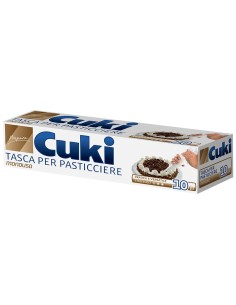
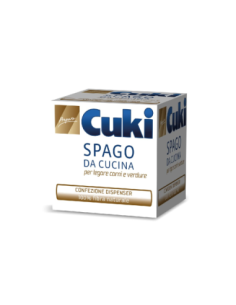
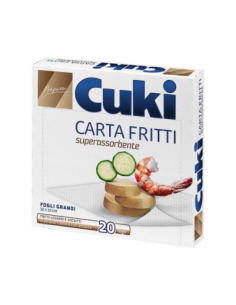
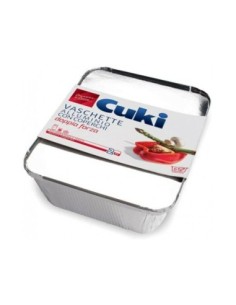
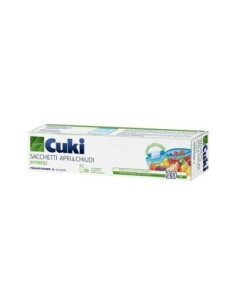
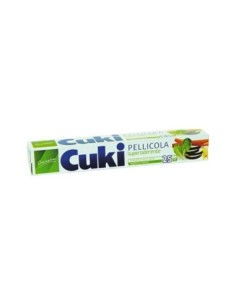
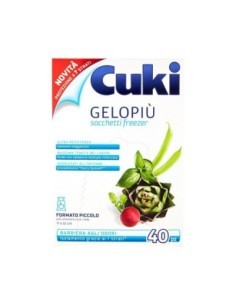
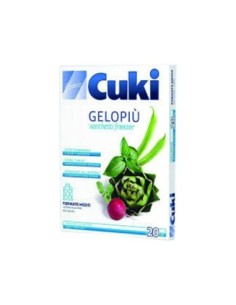
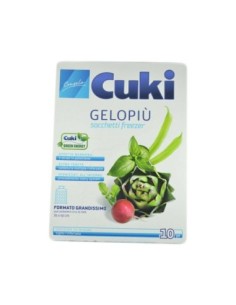
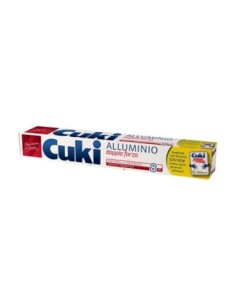
Cuki Food Preserving Products

Founded in 1958 as Comital in Volpiano Torino specializing in aluminum. In 1968 registered trademark Cuki becoming reference aluminum paper and home preservation. In 2019, it was acquired by the German group Melitta. Today, Italy's leading food packaging company shares a 32% market share.

Fried Absorbent Paper, Film, Hot-Frost and Aluminum Tubs: Storage since 1968

Cuki was born in 1958 as Comital in Volpiano in Turin province when company specialized in aluminum processing for domestic use producing thin sheets allowing wrapping and preserving foods maintaining freshness and aroma protecting them from oxidation, light and bacterial contaminations rapidly deteriorating air-exposed foods. In 1968 Cuki brand was registered becoming synonym for aluminum foil in Italy through memorable advertising campaigns building immediate recognizability of characteristic blue packaging still today visually identifying brand on shelves distinguishing it from competitors using different colors or less iconic designs.

Absorbent Paper for Fried Foods is special paper with microporous texture capturing oils and fats released by high-temperature fried foods eliminating excesses making preparations greasy and heavy compromising crispness well-executed frying must maintain serving dry instead of oily slippery food. Rapid absorption occurs by capillarity when oily molecules penetrate cellulosic fibers through micro-channels sucking liquids leaving food surface relatively dry preserving desirable texture consumers appreciate. Food Film is transparent polyethylene film adhering to containers and plates through electrostatic charge creating barrier against air and humidity oxidizing foods causing fat rancidity and bacterial proliferation making foods unhealthy within hours if not adequately protected especially perishable products like meats, fish, fresh cheeses.

In 1998 Comital Cofresco was born as joint venture between Italian Comital and German Melitta group's Cofresco Frischhalteprodukte uniting Cuki and Domopak industrial and commercial activities in mass consumption creating European food packaging pole combining Italian and German know-how to effectively compete against giant multinationals dominating markets through scale economies small national producers cannot individually match. In 2010 company assumed Cuki Cofresco denomination strengthening Cuki brand role as leadership driver in domestic preservation and cooking through marketing investments consolidating top-of-mind among Italian consumers automatically associating Cuki name to product category as happens for few brands becoming generic synonyms.

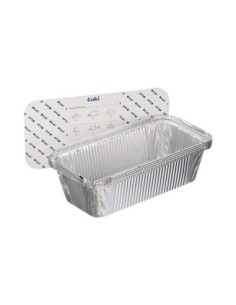
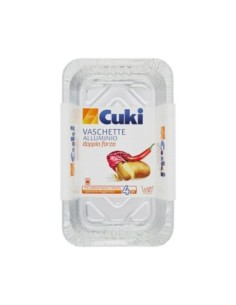
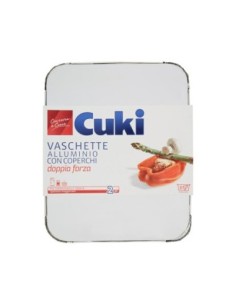
Hot-Cold Trays are aluminum containers resistant to extreme temperatures from freezer -18 degrees to oven 220 degrees allowing freezing preparations cooked in advance and reheating them directly without transferring to other container saving time and dishwashing when quick meals are needed between frantic daily commitments leaving no time to cook from scratch daily. Aluminum conducts heat uniformly distributing temperature across entire surface avoiding overheated spots burning while others remain cold as happens with insulating materials creating undesirable thermal gradients. Food Aluminum completely blocks oxygen, light and humidity being three main factors degrading foods through oxidative chemical reactions, microbial growth and loss of aromatic volatile components conferring characteristic flavor to fresh foods aging becoming bland unpleasant dishes.

Fun fact: in nineties iconic commercials like "Here's the chicken guys! Cuki, Cuki, Cuki!" and "Double Strength Aluminum" became TV jingles entire Italian generation still remembers today citing memorable jingles accompanying images of happy families preparing Sunday lunches wrapping roasts in shiny aluminum. In 2019 acquisition by Melitta historic German coffee and packaging group created integrated European platform combining multinational financial solidity with Italian territorial rooting preserving local brand identity while accessing research and development resources small companies cannot afford investing in advanced material innovations. Cuki Save the Food project promotes intelligent preservation culture reducing food waste through Cukipedia online encyclopedia alphabetically organized explaining how to preserve every food from A to Z in refrigerator, freezer or pantry prolonging life avoiding ending up in garbage when still edible but deteriorated due to improper preservation.

Today Cuki Cofresco holds over thirty-two percent share Italian mass consumption food packaging market according Nielsen data attesting absolute segment leadership built through decades continuous quality, innovation and communication investments transforming brand into national institution recognized transversally by all age and social groups using products daily. Company operates five production plants located Italy, France and Turkey annually producing tens of millions film and aluminum rolls plus hundreds of millions trays serving European markets (Italy, France, Benelux, Spain, Great Britain, Switzerland) and Balkan Middle Eastern areas through efficient logistics organization guaranteeing constant supplies widespread distribution. Italian plants use renewable source electricity reducing production environmental impact chemical industry traditionally generates emitting significant CO2 through energy-intensive processes plastic polymer transformations and metal laminations require operating high temperatures massively consuming fossil fuels.

quality

Circular Economy and Innovative Materials

Cuki Cofresco invests in the circular economy through SPEA, INNOV-SYS and RIUSA projects that develop recycled materials, recycled bio-polymers and compostable solutions in collaboration with research institutions and universities, reducing the environmental impact of packaging throughout the entire life cycle. Almablend material is patent-pending heat-resistant compostable PLA developed with Bioware university spinoff objective to activate closed-loop production from resin to tray eliminating dependence on virgin fossil raw materials by replacing them with bio-polymers derived from fermented agricultural waste. privileged monomaterials in packaging facilitate recycling because they avoid complex multi-layer couplings that sorting plants cannot separate by ending up in incinerated or landfill undifferentiated instead of remelted into new products by closing loops. According to Nielsen, the 32% market share year ending January 2025 attests to absolute leadership of the Italian segment built through decades of continuous investments in quality, innovation and communication that have transformed the brand into a national institution. The 2019 acquisition from Melitta creates an integrated European platform that combines multinational financial strength with Italian territorial roots by accessing research and development resources that small companies cannot afford.

Certifications Food Quality and Safety

All Cuki Cofresco establishments producing food contact items are certified according to ISO 9001 (quality management) and ISO 14001 (environmental management) standards plus BRC (British Retail Consortium) protocol for food contact material safety which ensures compliance with stringent sanitation requirements that European retail imposes on suppliers. freezing bags are certified according to UNI 15593 for hygiene in the production of packaging intended for contact with food, ensuring controlled and traceable processes that prevent contamination during processing, storage and distribution. The use of electricity from renewable sources in Italian plants is expressed as a distinctive element environmental commitment integrated with structural projects recovery, recycling and purification within production cycles instead of purchasing green certificates compensating for emissions elsewhere without actually modifying polluting processes. This certification ensures that brands communicate sustainability not only as a marketing lever but as part of a management system verified by independent third-party bodies that periodically review compliance through documentary and physical inspections that attest to the veracity of public statements.

FAQ

The company was founded in 1958 as Comital in Volpiano in the province of Turin, specializing in the processing of aluminum for domestic use, producing thin sheets for wrapping and storing food. In 1968, the Cuki brand was registered, which became synonymous with aluminum paper in Italy through memorable advertising campaigns, creating distinctive blue packaging recognizability. In 1998, Comital Cofresco was founded as a joint venture between Italian Comital and Cofresco Frischhalteprodukte of the German group Melitta, uniting Cuki and Domopak activities to create a European food packaging hub. In 2010 it took the name Cuki Cofresco strengthening the Cuki brand role as a leadership driver. In 2019, it acquired Melitta, which took control by integrating it with Cofresco Frischhalteprodukte, creating a European platform. Oggi holds a share of over 32% in the Italian consumer food packaging market, according to Nielsen, establishing absolute leadership in the segment built through decades of investment, quality, innovation, and communication.

Cuki stands out for leadership Italian market with a value share greater than 32% that no single competitor achieves by dominating the segment through brand recognizability built sixty years ago. The integration of European plants in Italy, France and Türkiye allows for economies of scale that small domestic producers cannot match by competing effectively against giant multinationals. The strong commitment to the circular economy through SPEA, INNOV-SYS, RIUSA projects, university partnerships such as Bioware developing innovative materials Thermo-resistant compostable Almablend PLA distinguishes from competitors who communicate sustainability generically without investments verifiable concrete research. The ISO 9001, ISO 14001, BRC and UNI 15593 certifications for freezing bags attest to compliance with environmental quality standards and food safety that independent third parties periodically audit. The Cuki Save the Food project, with Cukipedia, encyclopedia, AZ conservation and solidarity refrigerators, positions brands on a value as well as technical level, differentiating them from competitors who mainly communicate price or functional performance.

Yes, Cuki items are designed to be recyclable or compostable in compliance with current regulations, favoring monomaterials that facilitate selection and recycling while avoiding complex multi-layer couplings that plants cannot separate. aluminium is infinitely recyclable without losing properties, being able to be remelted infinitely many times, saving 95% energy compared to production from virgin bauxite, a characteristic that makes it a circular material par excellence that the industry recovers massively through municipal separate collections. polyethylene film should be transferred to plastic where implants separate it by density, remelting it into granules that become new films or plastic products, closing loops instead of dispersing the environment and slowly degrading into microplastics that bioaccumulate food chains. compostable solutions like Almablend PLA completely degrade into industrial composting plants within months, turning into usable agricultural humus instead of persisting for centuries as traditional plastics that accumulate landfills and oceans. Optimized packaging reduces thickness without compromising performance by minimizing raw material used per functional unit while lowering overall environmental footprint from production to disposal.

Cuki Save the Food is a corporate program that promotes smart conservation culture to reduce food waste through practical tools (products, advice, editorial content) and local projects such as solidarity refrigerators and initiatives with local community associations. The Cukipedia is an online encyclopedia organized alphabetically by AZ that explains how to store each specific food in the refrigerator, freezer, or pantry, extending its life by preventing it from ending up in garbage when still edible but deteriorated by improper storage that accelerates degradation. The solidarity refrigerators installed in the area redistribute surplus foods that supermarkets, restaurants and families would voluntarily donate instead of throwing them away, allowing people in need to take perfectly healthy but unsold foods free of charge to get closer to expiration or aesthetic imperfections. The presence of Terra Madre Salone del Gusto with dedicated cooking shows anti-waste cuisine strengthens Cuki's positioning as an ally of families and responsible catering, transforming the packaging theme from a problem to a solution to the waste. These activities differentiate brands from competitors that primarily communicate price or technical performance, making Cuki a recognizable value plan that increasingly sensitive sustainability consumers appreciate by rewarding through purchase preferences that build market share.

products

Showing 1-12 of 14 item(s)
Product added to wishlist