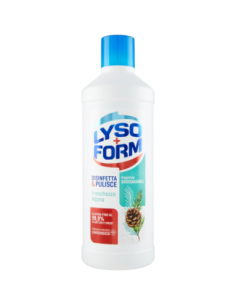
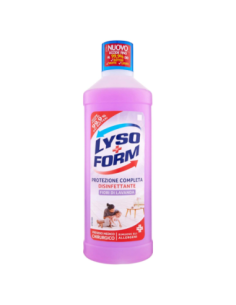
Lysoform Disinfectants

Founded in 1900 in Germany by Dr. Hans Rosemann and Dr. Alfred Stephan with a patent for disinfectant based on soap and formaldehyde. In 1902 Angelo Brioschi purchased a patent for Italy. Today produced by Miromed in Lainate, Milan.

Classic Floors, Lavender Floors, Delicate Surfaces and Gel WCs: Disinfection since 1900

Lysoform was born in 1900 in Germany when Dr. Hans Rosemann and Dr. Alfred Stephan patented innovative disinfectant based on liquid soap and formaldehyde surpassing existing preparations like corrosive sublimate improving antibacterial efficacy, reducing human toxicity and eliminating unpleasant odor characterizing era's disinfectants. This innovation arrived at crucial historical moment when microbiology had just discovered bacteria existence and their role in infections decimating hospital patients where adequate sterilization protocols were lacking. In 1902 Italian company Angelo Brioschi purchased patent introducing Lysoform on Milan market where it was rapidly adopted by healthcare facilities and wealthy families who could afford this still expensive but revolutionary product to prevent infectious diseases then claiming victims especially among vulnerable children and elderly.

Lysoform Classic Floors represents domestic version of hospital disinfectant adapted for daily home use where eliminating bacteria and germs from floors is needed being high-traffic surfaces where dirt and microorganisms accumulate carried by shoe soles walking streets collecting contaminations. Dilutable formula allows regulating concentration according dirt level and floor type to treat avoiding product waste ready-to-use versions cause when dilution is excessive for actual needs. Lavender Floor Disinfectant adds fragrance masking disinfectants' typical chemical odor making environment more pleasant after cleaning when homes are aired and lavender scent communicates cleanliness and freshness according cultural associations linking this aroma to clean linen and cared environments.

In nineties Lysoform TV commercials like 1993 "Lysoform Casa" became iconic in Italian advertising building brand image as synonym for domestic hygiene protecting families from germs' invisible dangers. These spots exploited hygienic anxiety of mothers worried about small children's health crawling on floors bringing everything to mouth risking infections if surfaces were not adequately disinfected. Marketing emphasized product scientificity showing laboratory scenes and white coats conferring medical authoritativeness distinguishing Lysoform from generic detergents only cleaning visible dirt without eliminating invisible bacteria causing diseases.

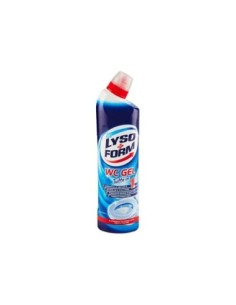
Home Protection Delicate Surfaces is formulated for materials aggressive disinfectants could damage like marbles, treated woods and painted surfaces requiring neutral pH and absence of solvents corroding delicate finishes. This specialization responds to contemporary home furnishing evolution using precious materials sensitive to too strong products permanently staining or dulling forcing expensive replacements. WC Gel All-in-1 combines disinfection, cleaning and perfuming in gel format adhering to toilet walls remaining in contact longer compared to liquids sliding away rapidly without having time to act on bacteria and limescale accumulating under rim where difficult to reach with normal brushes. Gel format also reduces splashes liquids cause when poured into toilet risking contaminating hands and clothes.

Fun fact: in 2021 "Protected Spaces" commercial created by MullenLowe agency for Unilever promoted disinfection in healthcare contexts after COVID-19 pandemic making everyone more aware of sterilization importance to prevent viral and bacterial transmissions in shared environments. Lysoform Medical developed Spray Foam with foam technology reducing aerosol compared to traditional sprays nebulizing product dispersing it in air where it can be inhaled causing respiratory irritations, compact foam delivers precise quantity only where needed without excessive volatility. Brand is effective against resistant bacteria like MRSA (Methicillin-resistant Staphylococcus aureus) causing in hospitals difficult-to-treat infections because strains developed resistance to common antibiotics requiring disinfectants with quaternary ammonium compounds more powerful than traditionally used chlorhexidine.

Today production is managed by Miromed in Lainate Milan province with ISO 9001 certifications for quality management, ISO 13485 for medical devices and ISO 14001 for environmental management attesting conformity to rigorous European standards. Products have Medical Surgical Device registered by Ministry of Health with number 19500 certifying disinfectant efficacy laboratory-tested against broad spectrum pathogenic microorganisms including viruses, gram-positive and gram-negative bacteria, fungi and spores. Formula is biodegradable according UNI EN ISO 9439 standard verifying components naturally degrade in environment without accumulating in aquatic ecosystems where persistent detergents cause eutrophication killing fish and altering biological balances. Packaging uses HDPE (high-density polyethylene) compliant with European Pharmacopoeia with tamper-evident seals guaranteeing product has not been opened or contaminated during transport and storage protecting consumers from health risks.

quality

Biodegradability and Environmental Sustainability

The biodegradable formula according to UNI EN ISO 9439:2006 verifies that components degrade naturally in the environment without accumulating in aquatic ecosystems where persistent detergents cause eutrophication, altering biological balances. European Pharmacopoeia-compliant packaging in PEHD (high-density polyethylene) is fully recyclable, reducing disposal impact compared to non-separable mixed plastics that end up in landfills or incinerators, generating emissions. tamper seals ensure that the product has not been opened or contaminated during transport by protecting consumers from health risks that tampered bottles could cause if foreign substances were introduced. Spray Foam technology reduces aerosols compared to traditional nebulizing sprays produced by dispersing it into the air where it can be inhaled, compact foam delivers precise quantities without excessive volatility while minimizing respiratory exposure. The absence of latex and CMT-free formulations (carcinogenic, mutagenic, toxic) protect users from allergies and chronic risks that problematic substances would cause with repeated exposures over time.

Medical Surgical Presidium and ISO Certifications

Lysoform products have Medical Surgical Presidium registered by the Ministry of Health with number 19500 certifying laboratory-tested disinfectant efficacy against a broad spectrum of pathogenic microorganisms including viruses, gram-positive and gram-negative bacteria, fungi, and spores. The ISO 9001certifications for quality management and ISO 13485 for medical devices attest to compliance with rigorous European standards that require systematic controls on every production step from raw material to final packaging. The ISO 14001 certification for environmental management verifies that production processes minimize ecological impact through reduced energy consumption, optimization of water use and responsible management of chemical waste that must be disposed of according to special regulations. The efficacy against MRSA (methicillin-resistant Staphylococcus aureus) testifies to the potency of ammonium quaternaries superior to traditionally used chlorhexidine, a crucial ability in hospitals where resistant bacteria cause difficult-to-treat nosocomial infections. compliance with GMP (Good Manufacturing Practices) and the European Packaging Pharmacopoeia also ensures pharmaceutical standards for products intended for domestic use.

FAQ

Lysoform was founded in 1900 in Germany by Dr. Hans Rosemann and Dr. Alfred Stephan who patented innovative disinfectant based on liquid soap and formaldehyde, surpassing existing preparations such as corrosive sublimate, improving efficacy, reducing toxicity and eliminating unpleasant odor. In 1902 Angelo Brioschi purchased the patent by introducing Lysoform to the Milanese market where it was adopted by healthcare facilities and wealthy families. In the nineties television commercials like "Lysoform Casa" 1993 became iconic by building the brand image as a synonym for home hygiene that protects families from invisible germs. In 2021, the "Protected Spaces" commercial created by MullenLowe promotes disinfection after the COVID-19 pandemic. Today production is managed by Miromed in Lainate, in the province of Milan, with ISO certifications certifying compliance with rigorous European standards for quality, medical devices, and environmental management.

Yes, Lysoform is effective against MRSA (methicillin-resistant Staphylococcus aureus) which in hospitals causes nosocomial infections that are difficult to treat because strains have developed resistance to common antibiotics. The ammonium quaternary used in the formula are more potent than traditional chlorhexidine by acting on gram-positive and gram-negative bacteria, viruses, fungi and spores through a multi-target mechanism of action that prevents the development of resistance. The Medical Surgical Presidium registered by the Ministry of Health with number 19500 certifies laboratory-tested efficacy against a broad spectrum of pathogenic microorganisms according to standardized protocols that simulate real-world conditions of use. The synergistic action of multiple active ingredients ensures that even if some bacteria develop resistance to one component, the others continue to be effective, avoiding therapeutic failures that single-component disinfectants risk when microorganisms adapt.

Classic Flooring should be diluted in water according to instructions, varying concentrations based on dirt level and floor type: for ordinary cleaning, use 50-100 ml per 5 liters of water; for deep disinfection, increase to 150-200 ml. Apply with mop or well-wrung cloth, avoiding excessive waterlogging that could damage hardwood or laminate floors sensitive to prolonged humidity. Let it act 5-10 minutes before rinsing, allowing the active ingredients to penetrate dirt and kill bacteria. This contact time is crucial for effective disinfectant, which rapid action does not guarantee. Ventilate environment during and after use by opening windows to disperse vapors and accelerate drying, reducing exposure to chemicals concentrated in the enclosed air. Do not mix with other detergents, especially bleach, as chemical reactions could generate toxic gases that are dangerous to the respiratory tract. Always use pure product diluted only in water. Store children and animals out of reach in a cool place while avoiding direct exposure to heat sources.

Yes, the formula is biodegradable according to UNI EN ISO 9439:2006 which verifies that components degrade naturally in the environment through the action of microorganisms that break down molecules into harmless substances such as water and carbon dioxide. This prevents accumulation in aquatic ecosystems where persistent detergents cause eutrophication by feeding oxygen-consuming algal growths killing fish and altering biological balances. The biodegradability tests measure percentage degradation after 28 days under controlled conditions that simulate the natural environment by verifying that at least 60% of the substance decomposes completely. The ISO 14001 certification for environmental management certifies that production minimizes impact through reduced energy consumption, optimization of water use and responsible management of chemical waste disposed of according to special regulations. Recyclable packaging in PEHD helps reduce plastic waste by allowing empty bottles to be remelted into new products instead of ending up in landfills or oceans where plastic fragments into microplastics that bioaccumulate food chains.

products

Showing 1-5 of 5 item(s)
Product added to wishlist