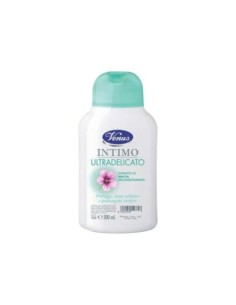
New Intimate soap Venus Ultra Delicate Intimate Cleanser - 200 ml Venus HM014 €2.50 Clinically tested and with decongestant mallow extracts, it gently cleanses and soothes your intimate parts without attacking them. It is the Venus Ultra-Delicate Intimate Cleanser that gives that special feeling of prolonged relief and protection, for complete and lasting intimate hygiene. Ideal for dryness or other discomforts, it also cleanses while... Add to Box
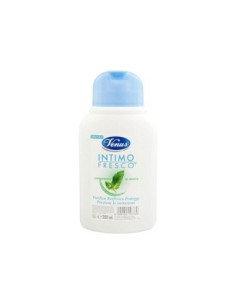
New Intimate soap Venus Detergente Intimo Fresco - 200 ml Venus HM013 €2.50 Dermatologically tested and with extracts of mint and eucalyptus, it purifies, refreshes, and regenerates your intimate parts without aggressing them. It is the Venus Fresh Intimate Cleanser that provides that special toning cleanliness, thanks to its extracts with refreshing and antioxidant properties capable of reducing and preventing irritations and... Add to Box
New Intimate soap Venus Soothing Intimate Cleanser with Chamomile - 200 ml Venus HM023 €2.50 Venus Soothing Intimate prevents and relieves irritation and dryness. Formulated with Chamomile extract with well-known natural calming properties, it cleanses underwear and body. DERMATOLOGICALLY TESTED Add to Box