Knorr food and flavorings

Tradition and innovation meet to transform each recipe into an authentic experience, full of taste, creativity and passion in the kitchen.

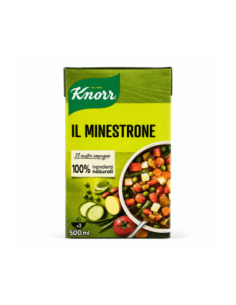
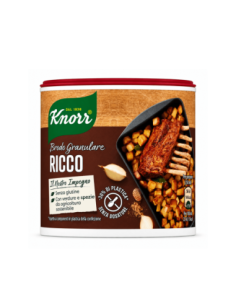
Brown base, stock cube and vegetable broth for risottos and dishes rich in flavour

The story of Knorr begins in 1838 in Heilbronn, when Carl Heinrich Theodor Knorr experimented with dehydrating vegetables and spices to preserve their flavor and nutritional value—a pioneering choice that transformed the way of cooking in Europe. From those early processes, designed to provide practical ingredients while staying true to traditional taste, the brand went through decades of innovation and became part of an international group, without losing the guiding thread that distinguishes it: making reliable preparations accessible, consistent in quality, and suited to everyday life. The timeline marks crucial milestones that shaped home food culture, from the dehydrated soups introduced in the 19th century to the bouillon cube launched in 1912, to the post-war distribution expansion and the broadened range with solutions for first courses, sauces, and culinary bases. The history is not only industrial but also social, as the brand’s evolution reflects changes in family rhythms, raw material availability, nutritional needs, and attention to sustainability, following a path that combines research with respect for dining habits. Over time, the logo has been simplified while preserving its recognizable colors, and the packaging has adopted increasingly functional formats for storage and use, with progressive steps toward more responsible materials and clearer labeling, making conscious choices easier. This attention is also reflected in the supply chain, with carefully selected ingredients and ongoing work on balanced recipes and quality controls—factors that explain the loyalty of different generations of consumers, from home cooks to enthusiasts looking for smart shortcuts without compromising the final result.

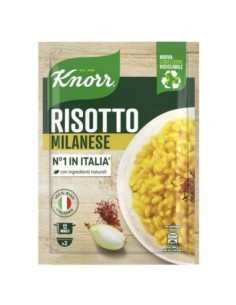
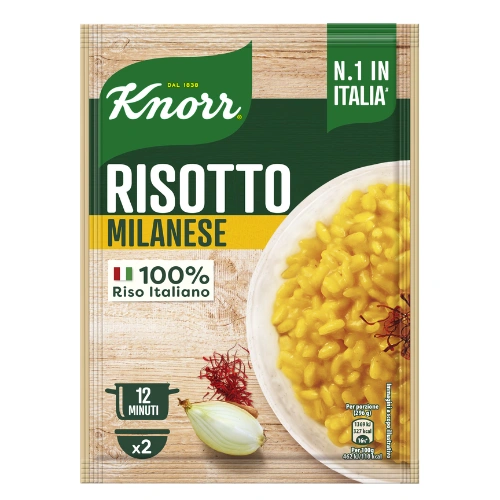
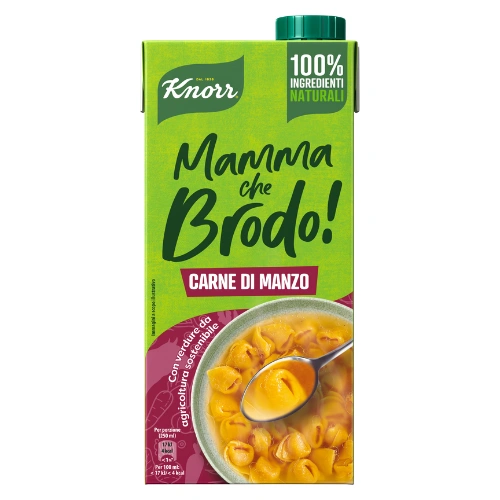
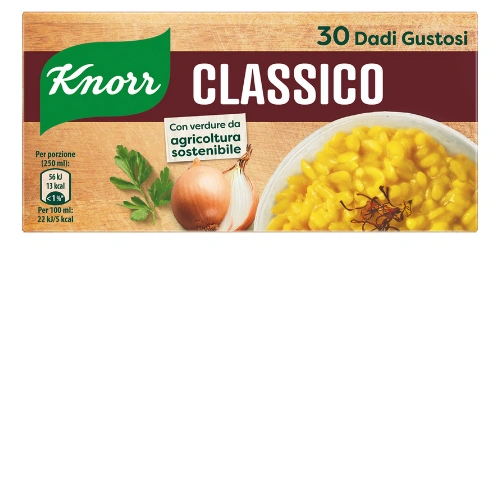
The current range includes references designed to enhance flavor, shorten preparation times, and provide reliable technical bases. Among these stands out the demi-glace, a preparation born from professional expertise that, in small quantities, gives depth to slow-cooked dishes, roast sauces, and reductions, contributing to the shine and structure of the dish. Alongside the bases, concentrates and seasonings have represented a universal tool of global cooking for over a century. The historic icon is the bouillon cube, part of a family of solutions ranging from delicate recipes to more robust variants, useful for quick broths, seasoning adjustments in casseroles, or finishing sautéed vegetables. In the same spirit of versatility lies the vegetable broth, convenient when a ready and stable base is desired, suitable for veloutés, light soups, and vegetable risottos. For first courses, the brand has promoted formats that help bring typical recipes to the table in less time with consistent results, as shown by the risotto, useful when you want to preserve creaminess and perfect cooking with simplified steps, while respecting the aromatic profile and texture of the grains. These solutions are not meant to replace the knowledge of home cooking but to complement it, offering calibrated tools that interact with spices, sautés, fresh herbs, and seasonal pairings.

The evolution of the products intertwines with choices of environmental and social responsibility. The brand has invested in the selection of raw materials, in collaboration with farmers and suppliers who adopt more sustainable practices, and in packaging that reduces unnecessary materials and improves recyclability, with growing attention to the relationship between format, portioning, and waste reduction. This direction is complemented by strict safety and traceability standards, aligned with internationally recognized certifications, with periodic audits and controls on processes, production environments, and the cold chain where required. The result is a portfolio that aims to combine convenience with transparent information, including clear indications on ingredients, nutritional values, and usage methods, leaving room for customization in cooking. In this context, sauce and cooking bases become a common language, capable of simplifying elaborate recipes without simplification stripping the dish of character. Research on aromatic performance has long worked on balancing savoriness, vegetal notes, and spicy components, encouraging a gradual construction of flavor, adaptable depending on the technique used—whether braising, stewing, or finishing a first course. The encounter between tradition and innovation is also visible in the packaging design, conceived to make shelf reading easier and to help identify variants, with colors and icons that guide quick selection of the desired profile.

A historical curiosity highlights the scale of the company already in the first half of the 20th century, when German plants built silos and infrastructures that became symbols of the European food industry, testifying to growth that made the brand familiar well beyond national borders. In recent years, moreover, attention to materials has led to experiments with lighter and easier-to-dispose packaging, with the goal of combining product protection and lower environmental impact. Meanwhile, the range has expanded to cover very different everyday needs: those preparing legume soups and looking for a harmonious vegetable base, those aiming for a glossy, well-reduced roast sauce, or those seeking a creamy, perfectly cooked risotto even when time is short. These uses naturally connect with what is brought to the table as accompaniments, since a rich, fragrant soup pairs well with seasonal salads and slow-fermented bread, while saffron risotto goes well with sautéed vegetables or grilled mains that highlight the glaze of the sauce. The approach to supply chain and quality, integrated with updated nutritional guidelines, makes the products suitable both for everyday recipes and for special occasions, with portions that facilitate meal planning and responsible shopping.

Quality

Certification for sustainable packaging – paper instead of plastic

In 2024, introduced an innovative certified paper wrapper for the broth nut line, replacing plastic. This choice is part of Unilever's program to reduce environmental impact and goes alongside the FSC environmental certification for materials used in packaging.

FSSC 22000 – Global System for Food Security

As a brand of the Unilever group, is certified according to the FSSC 22000 standard, which integrates ISO 22000 with additional requirements for food safety. This system guarantees compliance with international criteria for the production, distribution and traceability of products such as nut, brown background and granular vegetable broth.

FAQ

The brown background is a professional paste or granular preparation, used as a base for dark sauces and meat dishes. It is also available in gluten-free and glutamate-free versions, and is perfect for roasts, braised meats and reductions. It is diluted in hot water and easily integrated into preparations.

Offers a wide range of broth nuts, including many variants without added glutamate. The "Naturally Good" and “Delicate” versions are made with natural ingredients and free of preservatives. It is always advisable to consult the label to check the specific ingredients.

Yes, the vegetable broth, both in nut and granular format, is formulated with 100% vegetable ingredients and is suitable for those following a vegetarian diet. Some versions are also gluten-free and certified with natural ingredients, without artificial preservatives.

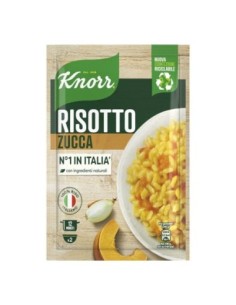
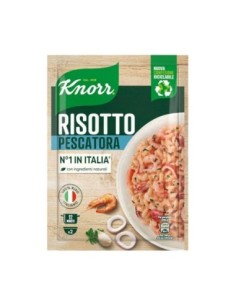
The risotto is a dehydrated ready-made dish that is prepared simply by adding hot water or broth and cooking for about 15 minutes. It is available in different flavours, such as asparagus, porcini mushrooms and four cheeses, designed for a quick but flavorful meal.

Products

Showing 1-20 of 20 item(s)
Product added to wishlist